
Black Sea Ceasefire Talks Signal Potential Relief for European Grain Logistics
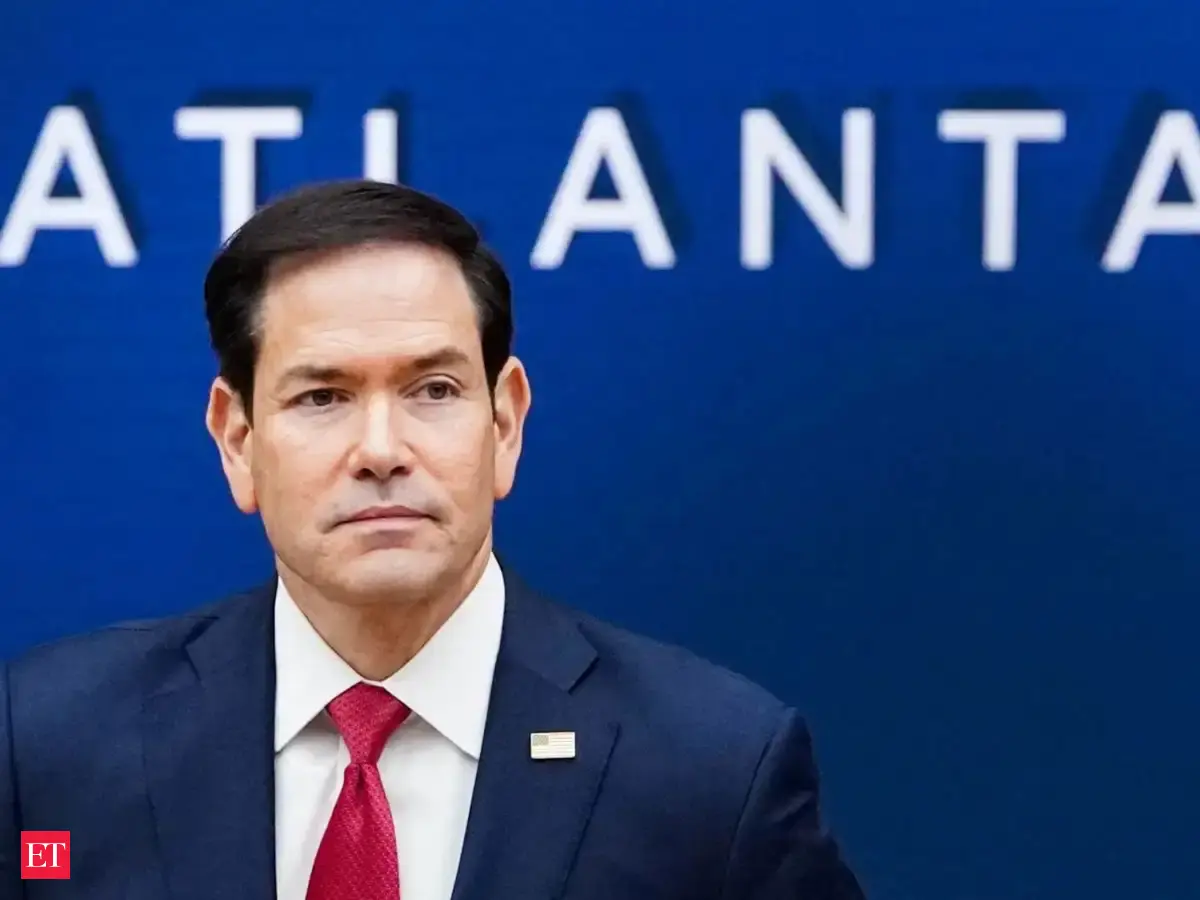
Recent diplomatic discussions led by international officials, including high-level statements from Washington and Ottawa, point toward a rising momentum for establishing a limited ceasefire in the Black Sea. For grain producers, traders, and agronomists across Eastern and Central Europe, any movement toward securing maritime corridors is viewed as a critical step toward stabilizing global supply chains and freight insurance rates that have remained volatile since the conflict escalated.
The Black Sea basin serves as the primary export route for major agricultural powerhouses in the region, particularly Ukraine, whose grain shipments feed import-dependent markets across North Africa, the Middle East, and parts of the European Union. Disruptions, blockages, and heightened security risks in these waters have historically forced a heavy reliance on alternative overland Solidarity Lanes through Poland, Romania, and other neighbor states, often leading to domestic logistical bottlenecks and localized price depressions.
A functional, partially protected maritime corridor would allow bulk carrier vessels to operate with lower risk profiles, potentially driving down soaring freight and maritime insurance premiums. For European farm operations, this could translate to a more predictable flow of international trade, easing domestic market congestions caused by stranded regional grain surpluses and improving cash flow predictability for grain producers.
At the same time, fertilizer and energy markets remain closely tied to Black Sea shipping stability. Unhindered vessel movement is vital not only for agricultural commodities but also for key inputs, including natural gas used in nitrogen fertilizer production and chemical components necessary for regional crop protection supplies heading into the upcoming operational seasons.
Context for farmers: While diplomatic proposals remain in preliminary stages, any sustained security arrangement in the Black Sea would directly influence export parity prices, port delivery bases, and domestic storage utilization rates across Central and Eastern Europe. Farmers and grain traders should monitor logistics updates closely to manage forward-selling strategies and hedge against sudden freight cost adjustments.
— agronom.work editorial team