
China Commits to $17B Annual Purchases of US Agricultural Goods
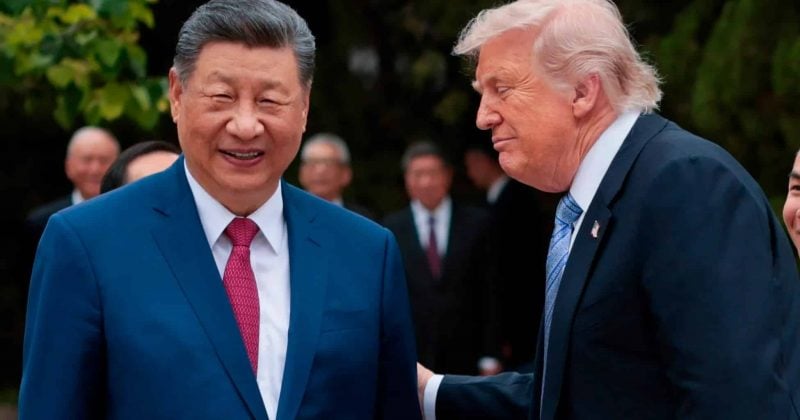
In a significant move that will ripple through global agricultural markets, China has committed to purchasing at least $17 billion worth of United States agricultural goods annually. This agreement, following recent high-level talks between Donald Trump and Xi Jinping, signals a cooling of trade tensions and a return to massive bilateral commodity flows. For the global farming sector, this renewed commitment echoes the dynamics of the 2020 Phase One trade deal.
The core of this $17 billion commitment will heavily involve staple commodities. Historically, Chinese agricultural purchases from the US are dominated by soybeans, corn, pork, beef, and sorghum. In recent years, China had pivoted heavily toward South American suppliers like Brazil and Argentina for these goods. This new agreement marks a strategic shift back toward North American supplies, which will inevitably alter global shipping routes and demand schedules.
For the broader international market, such massive, guaranteed purchases tend to stabilize commodity futures on the Chicago Board of Trade (CBOT) and other major exchanges. When the world's largest importer and one of the largest exporters lock in a substantial trade volume, it removes a degree of uncertainty from the global supply chain. However, it also means that other exporting nations will need to adapt to a shifting landscape where a large portion of Chinese demand is preemptively fulfilled by the US.
For farmers and agricultural exporters in Europe, including Ukraine, Poland, and Germany, the implications are multifaceted. European and Black Sea grain exporters may face stiffer competition or reduced demand from China, as US corn and soybeans take precedence. Conversely, European livestock producers might benefit from more stable global feed prices if the predictable US-China trade helps balance the international grain and oilseed markets, preventing sudden price spikes.
What this means for the market: This renewed US-China trade channel provides a stabilizing floor for global grain futures, but European and Ukrainian exporters must prepare for intensified competition in Asian markets. Farmers relying on purchased feed should monitor international soybean and corn prices closely, as these massive guaranteed shipments could tighten available global supplies in the short term.
— agronom.work editorial team