
China's Beef Strategy Shift: Impact on Global Meat Trade and European Exports
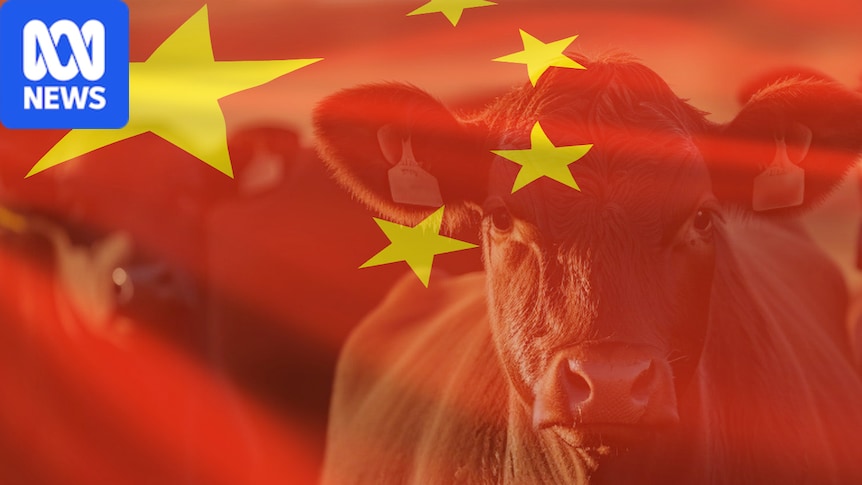
China, the world’s largest beef importer, has significantly slowed its intake of foreign meat following a sharp rise in trade friction with Australia. A 55 percent tariff on Australian beef has effectively priced out significant volumes, forcing Beijing to lean heavily on its massive, government-managed stockpile of frozen beef reserves.
For European livestock producers, this development is a signal of shifting global supply dynamics. When major players like China pivot inward to utilize stockpiles, the "surplus" meat that would otherwise have been absorbed by the Chinese market often seeks new destinations. This can lead to increased competition in other regions, potentially putting downward pressure on global meat prices.
The Chinese strategy relies on cold storage facilities that have been replenished during periods of lower global prices. By releasing these reserves, the Chinese government aims to stabilize domestic food inflation without relying on high-cost imports. For the European Union, which maintains high health and quality standards, this move creates a dual environment: lower demand for premium imports in China, but also a tighter global market for feed grains.
European farmers should watch the ripple effects in the global protein market closely. Australia, now faced with restricted access to its largest buyer, will likely redirect its supply to Southeast Asia, the Middle East, or the US. This redistribution alters traditional trade flows, which can indirectly affect the competitiveness of Irish, German, or Polish beef exporters seeking to expand their footprint in international markets.
What this means for the market: European beef producers should anticipate increased competition in non-EU export markets as major global suppliers pivot away from China. Maintaining focus on high-quality, EU-certified beef and regional supply chains remains the most effective hedge against the volatility caused by shifts in Chinese trade policy.
— agronom.work editorial team