
Fertilizer Prices in Ireland Surge 15.3%, Doubling the EU Average
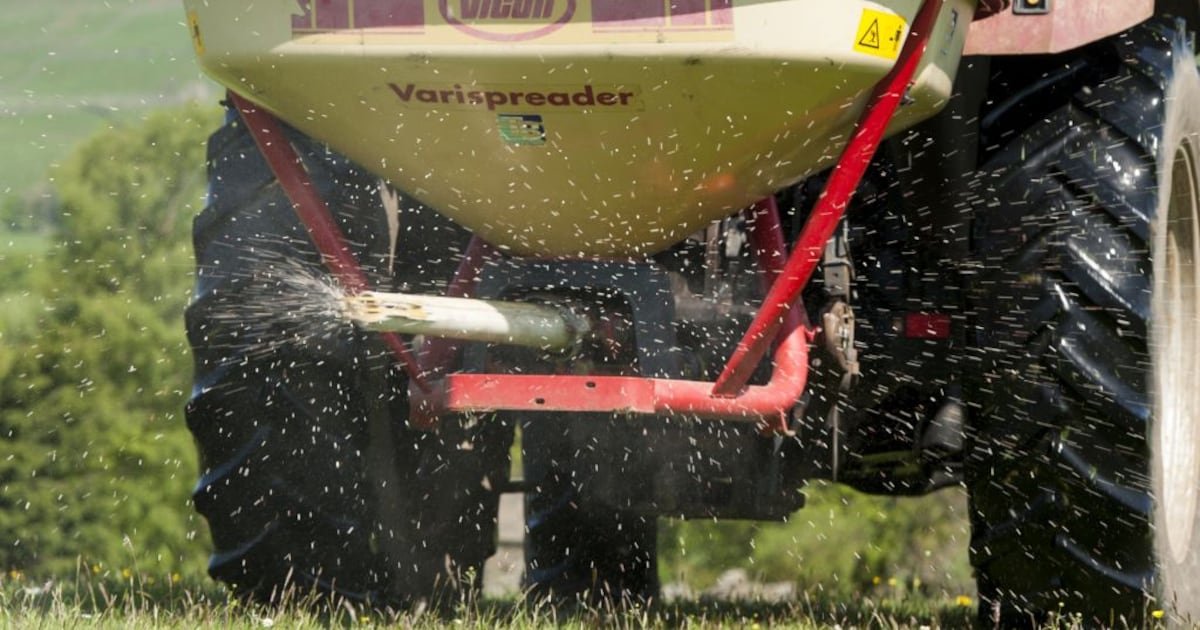
Eurostat data reveals a severe blow to agricultural input costs, as fertilizer prices in Ireland surged by 15.3% toward the end of last year. This sharp increase outpaces almost every other nation in the European Union, coming in at double the EU average. For farmers relying on consistent input costs for seasonal planning, this volatility represents a significant threat to operating margins.
The disproportionate impact on Ireland underscores the vulnerability of island nations and regions heavily dependent on imported agricultural inputs. Across Europe, the fertilizer market has been deeply unsettled by fluctuating natural gas prices, which directly dictate the cost of nitrogen-based products. When production slows down on the continent due to energy costs, peripheral markets often feel the sharpest price shocks in their supply chains.
In response to this growing crisis, the European Commission has proposed a comprehensive package of measures designed to stabilize the market and ensure adequate supplies. These initiatives aim to prevent crippling shortages during crucial application windows, potentially exploring alternative sourcing, domestic production support, and logistical optimization. For the European agricultural sector, securing these vital nutrients before the spring planting season is an absolute priority.
For farm operations, this price hike forces a rapid reassessment of agronomic strategies. Agronomists are increasingly advising a shift toward precision agriculture to maximize nutrient use efficiency. Enhanced soil testing, targeted application technologies, and integrating nitrogen-fixing legumes into crop rotations are becoming essential tactics to mitigate the financial drain of expensive synthetic fertilizers.
Practical takeaway: With input costs remaining stubbornly high and supply chains fragile, farm managers must prioritize soil nutrient mapping and secure fertilizer contracts early to lock in prices before peak season demand spikes.
— agronom.work editorial team