
Climate Change Pushes Hailstorms Poleward: New Risks for European Agriculture
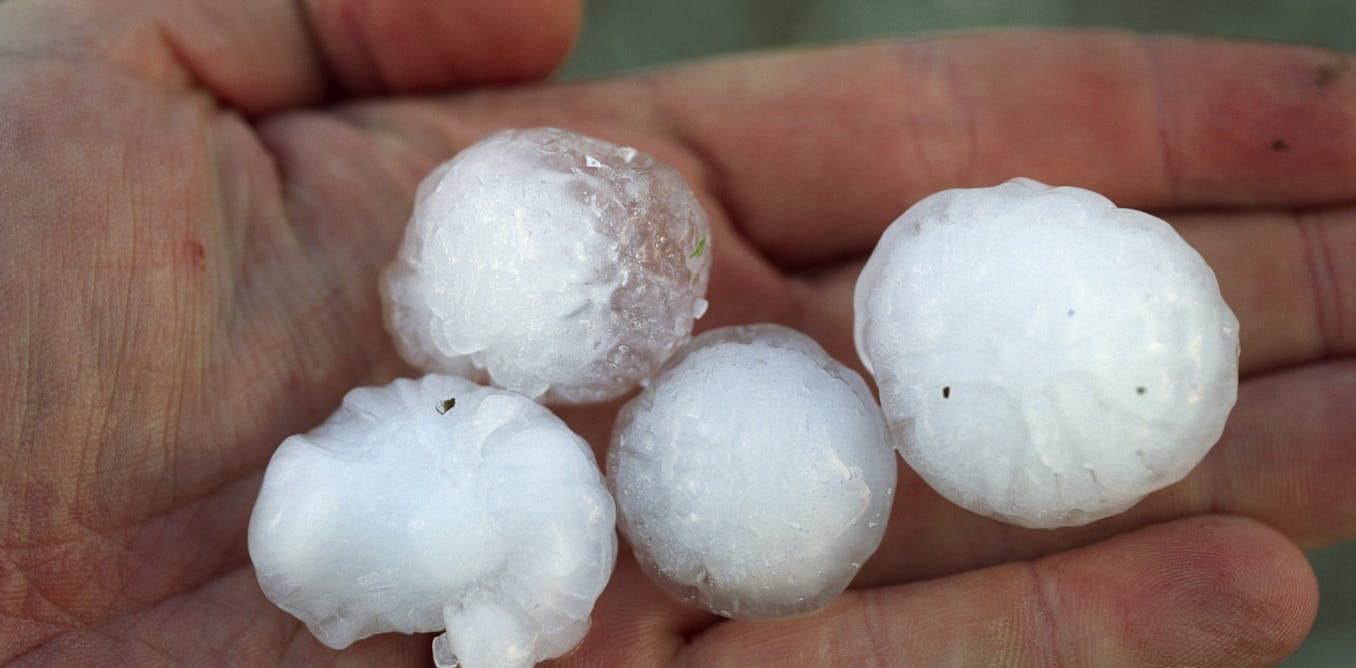
A recent climate study highlights a concerning trend for the agricultural sector: hailstorms are gradually shifting away from their traditional zones and moving towards the Earth's poles. For European agriculture, this geographical shift in severe weather patterns introduces unpredictable risks to regions that have historically enjoyed more stable growing conditions. Hail is one of the most destructive localized weather events a farmer can face, capable of shredding leaves, bruising developing fruit, and lodging mature crops in a matter of minutes.
The mechanism behind this shift is linked to a warming atmosphere, which holds more moisture and alters the atmospheric instability required to form large hail. As global temperatures rise, the environments conducive to these severe storms are pushed into higher latitudes. This means that farming regions in Northern and Central Europe, including parts of Germany and Poland, may begin to experience the frequency and intensity of hailstorms typically associated with more southern continental climates.
The impact of increased hail frequency is particularly severe for high-value horticulture. Orchards, such as the extensive apple and cherry plantations across Poland and Germany, as well as vineyards, are highly vulnerable. Even a brief period of small hail can scar fruit, rendering it unmarketable for fresh consumption and downgrading it to processing quality, which severely impacts farm profitability. Broad-acre crops like oilseed rape, wheat, and corn are also at risk, especially if storms hit late in the season when plants are heavy with grain and vulnerable to lodging or shattering.
Adapting to this shifting threat requires proactive measures from farm operators. There will likely be an increased demand for physical protection, such as anti-hail nets, which are already standard practice in some southern European regions but may become necessary investments further north. Additionally, precision agriculture tools, including localized radar systems and advanced meteorological forecasting models, will become essential for providing farmers with those crucial few hours of warning to secure equipment and sensitive livestock.
Context for farmers: As the geographic footprint of hailstorms expands, historical weather data becomes less reliable for farm planning. Agricultural businesses in newly exposed regions must urgently review their crop insurance policies to ensure adequate coverage against hail damage, as premiums and risk assessments will inevitably adjust to this new climate reality.
— agronom.work editorial team