
What COP31 Means for Agrifood: Climate Finance, Adaptation, and AI Realities
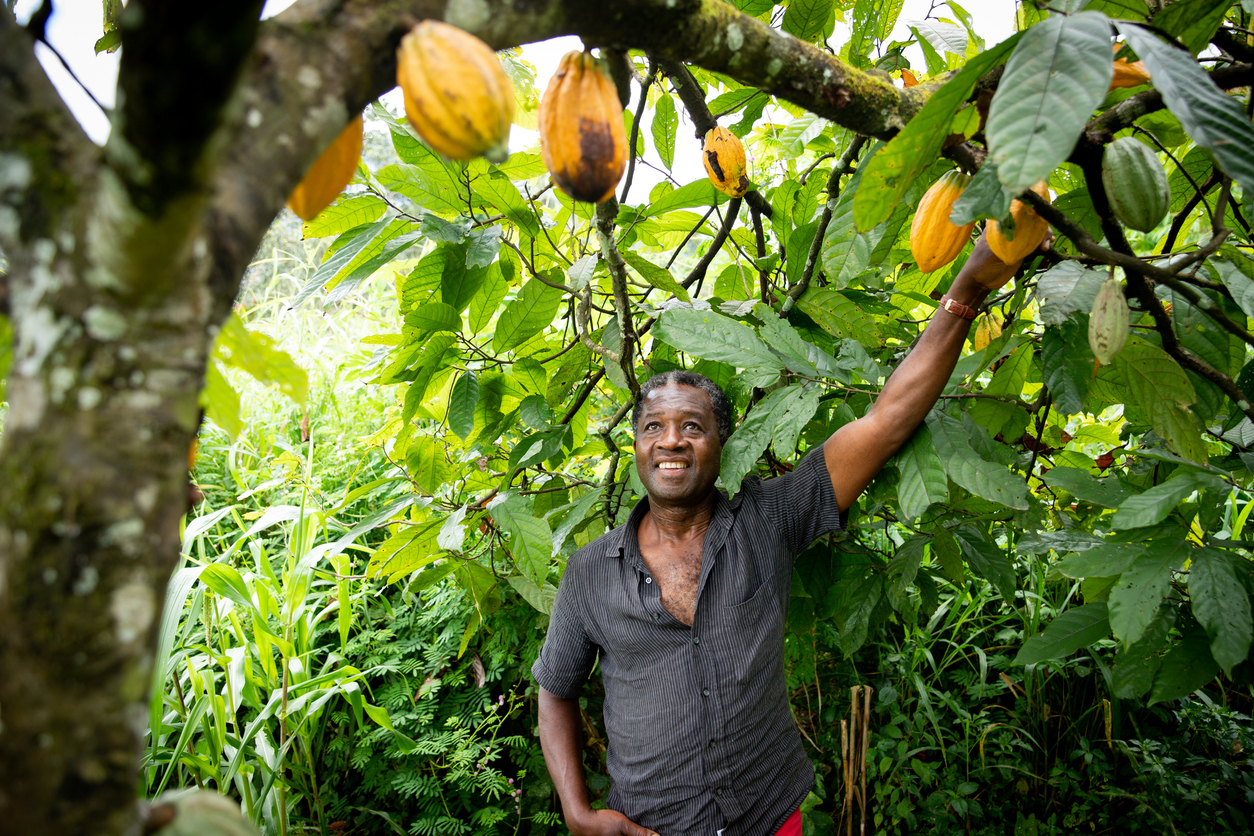
As preparations ramp up for the upcoming UN climate conference COP31 in Antalya, Turkey, agricultural leaders are shining a light on a stark financial imbalance. While agrifood systems generate roughly 33% of global greenhouse gas emissions, a mere 2.5% of public climate finance currently flows into agriculture and land use. Experts from organizations like CGIAR argue that bridging this gap is essential if the farming sector is to successfully adapt to mounting climate pressures while reducing its environmental footprint.
Historically, food production and rural land use have played second fiddle in broader international climate negotiations. However, farm operations globally—particularly among smallholders in developing and transition economies—face some of the most immediate disruptions from extreme weather events, unpredictable rainfall, and prolonged droughts. Industry stakeholders stress that climate anticipation must transform into active, on-the-farm intervention. As experts point out, farmers cannot eat weather forecasts; predictions must translate directly into tangible resilience measures such as adjusted planting windows, optimized irrigation, and targeted livestock management.
A central debate leading into COP31 centers on the delicate balance between funding emissions reduction versus supporting direct farm adaptation. Agronomic leaders emphasize that small-scale producers must receive support first, allowing them to shift away from high-emission practices without sacrificing productivity. Closing massive yield gaps through better seeds, efficient water delivery, and improved animal husbandry can prevent the environmentally destructive expansion of farmland, sparing untouched ecosystems from being cleared for crops.
Technology and artificial intelligence are frequently touted as silver bullets for modernizing farm management, yet specialists urge caution. Agtech solutions—from methane-reducing alternate wetting and drying in rice paddies to complex machine learning models—fail if they do not match local realities, infrastructure, and water control capabilities. Furthermore, developers caution that current AI models suffer from severe data gaps, often lacking the localized inputs necessary to serve diverse farming communities effectively, while risking the redirection of scarce funds away from foundational agricultural support.
Looking ahead, the policy shifts and investment priorities established at global summits like COP31 will gradually filter down into national agricultural frameworks, influencing subsidy structures, rural development grants, and agritech deployment strategies across Europe and beyond. For modern agronomists and farm managers, keeping an eye on these macroeconomic trends helps anticipate how future environmental regulations and climate risk management tools will impact daily crop and livestock operations.