
Corn Cobs Outperform Woodchips in Nitrate Bioreactors
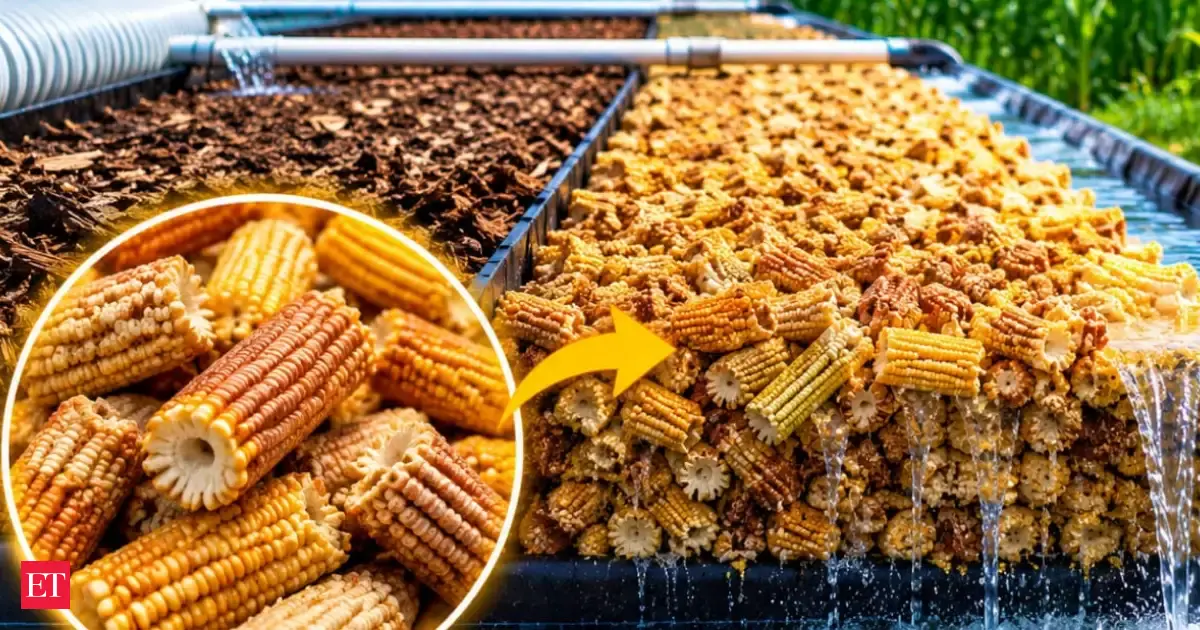
Farmers managing sub-surface drainage systems have long relied on woodchip-filled trenches to reduce nitrate runoff, a standard practice for protecting local water quality. However, new field pilots supported by the USDA have identified a significantly more efficient medium: corn cobs. By substituting a large portion of traditional woodchips with corn cobs, researchers have managed to accelerate the denitrification process, with some systems performing up to 10 times faster than conventional setups.
The science behind this improvement lies in the physical and chemical structure of corn cobs, which provide a more accessible carbon source for the bacteria responsible for removing nitrates from drainage water. This accelerated biological activity means that a smaller bioreactor footprint may be sufficient to handle the same volume of water, reducing both installation space and capital costs.
For producers, the primary challenge with woodchips has historically been their availability and the logistical effort required for large-scale installation. Corn cobs, an existing byproduct of standard harvest operations, offer a localized alternative. This creates a circular economy opportunity right on the farm, as cobs that were previously considered field residue or low-value waste can now be repurposed for environmental compliance.
While woodchips are known for their durability and long-term lifespan within a trench, corn cobs decompose more rapidly. This suggests that while efficiency gains are significant, farmers may need to adopt a different maintenance schedule for their drainage management systems. This trade-off between the speed of nutrient sequestration and the longevity of the bioreactor bed is the next phase of optimization for agronomists.
Context for farmers: This innovation provides a viable pathway to meet tightening environmental regulations regarding groundwater nitrates without expensive new infrastructure. Producers should consider trial small-scale implementation during their next drainage system maintenance cycle to evaluate the longevity and performance of cobs under local soil conditions.
— agronom.work editorial team