
Cretan Farmland Devastated by Torrential Rains and Mudflows
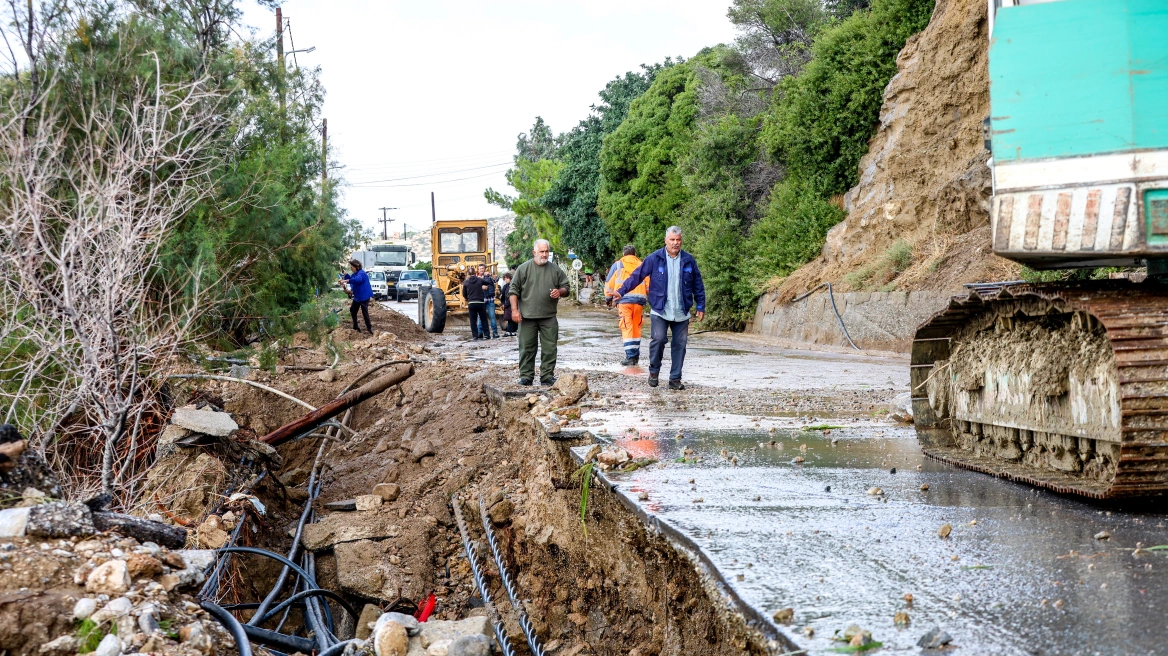
Recent severe weather systems hitting the Greek island of Crete have left local agricultural communities reeling from extensive flooding and mudflows. While the intense meteorological activity has begun to ease, the aftermath presents a severe challenge for regional growers and rural infrastructure. Torrential rains turned agricultural fields into thick layers of mud, severely impacting ongoing seasonal operations and threatening the livelihoods of farming families across the affected districts.
The agricultural heartlands bore the brunt of the disaster, particularly the high-altitude Lasithi Plateau, renowned for its fertile soils and diverse crop production. Local agricultural reports indicate that preliminary damage assessments reveal crop losses exceeding 80% in this vital farming zone. Vegetables, perennial crops, and feed supplies have been heavily compromised, leaving producers facing immense financial hurdles as they calculate the cost of the disaster.
Beyond the direct crop destruction, the severe weather has heavily crippled critical rural infrastructure. In the Mylopotamos municipality, infrastructure failures have left approximately 2,500 residents without access to running water, severely disrupting daily rural life and basic farm sanitation needs. Meanwhile, emergency services were forced to evacuate around thirty individuals from their homes in Zoniana as raging torrents threatened residential and agricultural structures alike.
For agronomists and farm managers operating in southern European regions, such extreme weather events underscore the growing vulnerability of traditional farming landscapes to sudden, high-intensity precipitation. Climate volatility continues to challenge Mediterranean agriculture, where sudden downpours can wash away precious topsoil and ruin months of careful crop husbandry in a matter of hours, complicating yield forecasts for regional markets.
As waters recede, local authorities and agricultural unions are preparing formal damage assessments to determine eligibility for emergency relief funds and national disaster compensation. Farmers in the affected zones are now focused on drainage management and assessing soil integrity to understand whether replanting is feasible or if fields will require extensive remediation before the next sowing cycle.