
Dairy processing by-products emerge as potential biofuel source
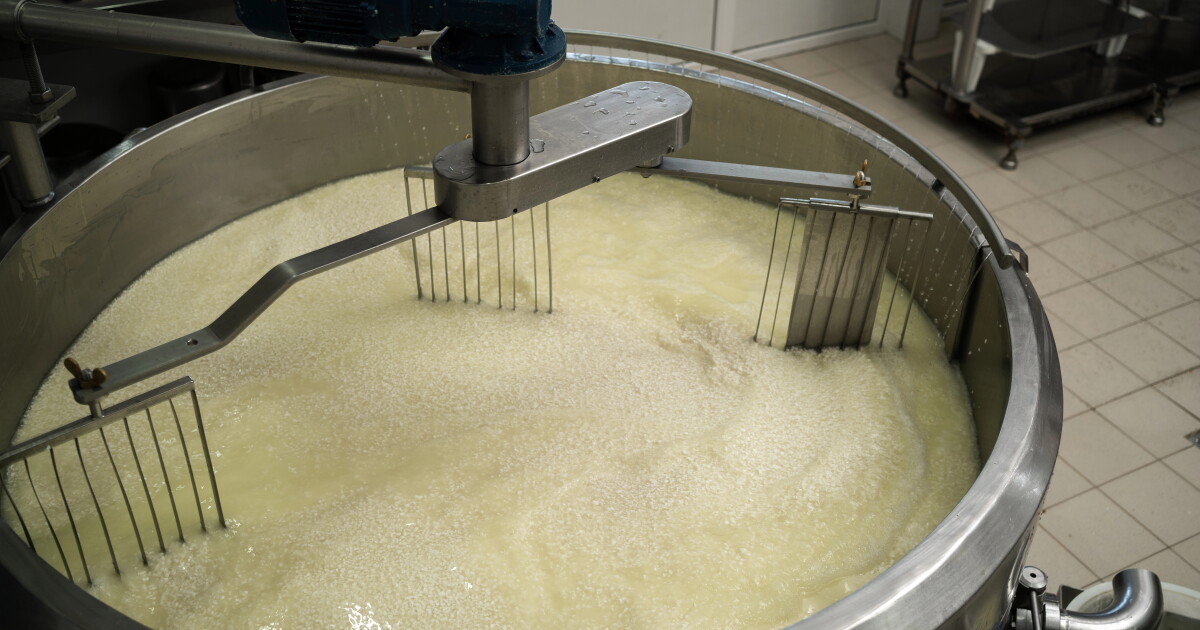
For generations, European dairy processors and large-scale livestock operations have faced a persistent and costly environmental challenge: managing massive volumes of liquid whey. This greenish-yellow by-product, left over after milk curdling and straining in cheese and casein manufacturing, carries a high biochemical oxygen demand. Dumping it untreated is strictly prohibited under EU environmental directives due to the severe risks it poses to local waterways and soil microbiology, forcing processing plants to invest heavily in wastewater treatment or find outlets as animal feed.
However, recent scientific explorations are beginning to shift the paradigm, pointing toward a future where dairy waste streams transition from an expensive liability into a valuable energy asset. Researchers are investigating biological and chemical pathways to convert the lactose and proteins remaining in whey into advanced biofuels. For commercial dairy farms and cooperative processing plants across major milk-producing nations like Germany, Poland, the Netherlands, and France, this could open up entirely new revenue streams or significantly cut down on internal energy overheads.
The technical core of this conversion process relies on breaking down whey permeate—the liquid remaining after ultrafiltration—into fermentable sugars or utilizing specialized microbial strains that can synthesize lipids and alcohols directly from lactose. While transforming dairy effluent into fuel is still largely confined to laboratory and pilot-scale facilities, the scaling potential is substantial. Dairy processing is notoriously energy-intensive, requiring steady thermal energy for pasteurization, evaporation, and cleaning-in-place systems, meaning that utilizing locally derived biofuels could drastically shrink a dairy plant's carbon footprint.
For European agronomists and farm managers navigating tightening Common Agricultural Policy (CAP) eco-schemes and stricter national emission caps, integrating circular economy models on-farm is becoming essential. If commercialized successfully, decentralized bio-refineries attached to regional dairy cooperatives could allow farmers to power tractors, biomass boilers, and fleet vehicles using the very by-products generated by their herds. This closes the loop on agricultural waste management in a way that aligns closely with the European Green Deal's overarching decarbonization milestones.
Context for farmers: While widespread commercial adoption of whey-derived biofuels remains years away, dairy farmers and processors should monitor regional bio-economy initiatives and grant programs supporting circular energy investments. As waste disposal costs rise and environmental regulations tighten, transforming dairy processing by-products into on-site power could soon improve the economic resilience of European dairy supply chains.
— agronom.work editorial team