
UN Warns of Soil Degradation: Are European Farmers Ready for a Shift?
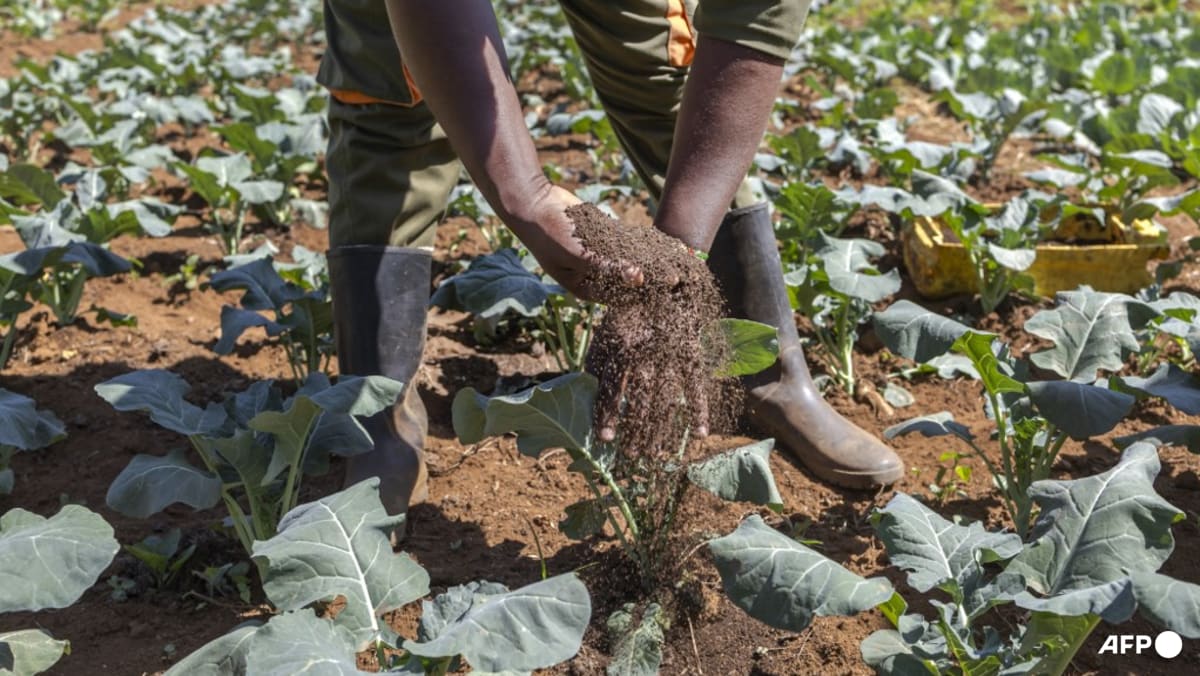
The United Nations has issued a stark warning regarding the state of global soils, noting that more than half of the world's arable land is currently in poor condition. This degradation, driven by intensive monocropping, erosion, and chemical dependency, poses a direct threat to the stability of food supply chains and the long-term profitability of farm operations across Europe.
For farmers in the EU and surrounding regions, soil degradation is not just an environmental metric but a direct hit to the bottom line. Degraded soil requires higher inputs—more fertilizer and water—to achieve the same yields compared to healthy, carbon-rich soil. As input costs remain volatile, the reliance on damaged land is becoming increasingly expensive.
The UN report emphasizes that solutions, such as cover cropping, reduced tillage, and integrated nutrient management, are already available but underutilized. In Europe, the challenge lies in the transition: moving from conventional high-input models to regenerative agriculture often requires upfront investment and temporary adjustments in yield expectations before long-term soil health benefits stabilize production.
Policy mechanisms like the EU’s Common Agricultural Policy (CAP) are increasingly incentivizing these shifts through eco-schemes. However, the gap remains between global reports and the reality of daily farm management, where short-term cash flow often dictates planting decisions over long-term soil biology.
Context for farmers: The transition to soil-regenerative practices is no longer just a sustainability goal; it is a risk management strategy to protect your land's value and crop resilience against extreme weather. Farmers who start implementing cover crops and precision nutrient mapping now are better positioned to benefit from future carbon credit markets and comply with tightening environmental regulations.
— agronom.work editorial team