
Devastating Floods in Hawaii Wipe Out Crops: A Climate Warning
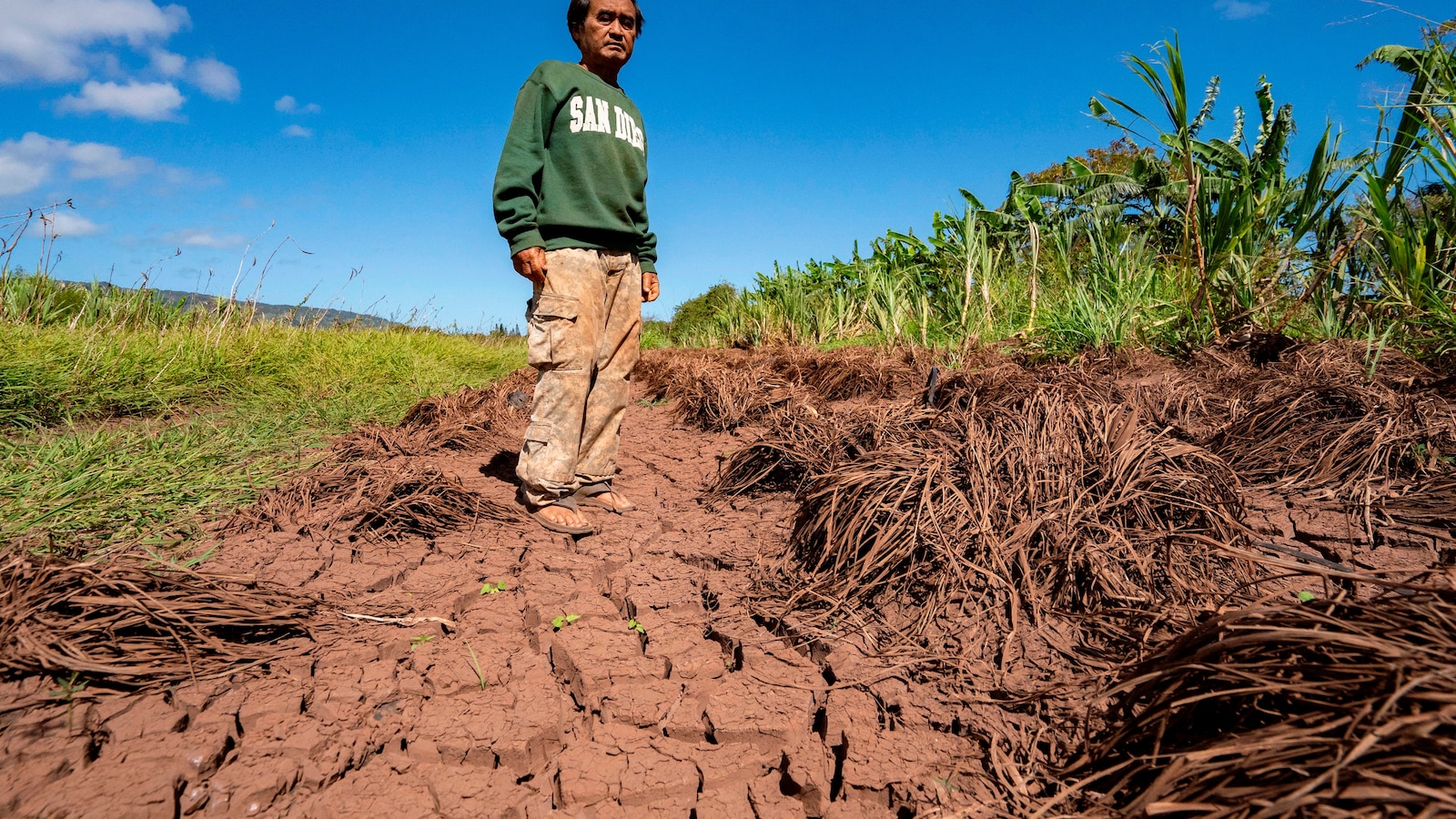
The recent catastrophic flooding in Hawaii, the worst the region has seen in twenty years, has left vital agricultural lands smothered under thick layers of hardened mud. Farms that once thrived with high-value crops like lemongrass, cucumbers, and okra have been completely devastated, bringing local fresh food production to an abrupt and painful halt.
The immediate agricultural impact is severe and long-lasting. Complex irrigation systems have been tangled and destroyed by the sheer force of the water, while nutrient-rich topsoil has either been washed away or heavily contaminated. For the farmers operating in these valleys, the recovery process will require significant time, labor, and capital to rebuild soil structure and repair crucial water management infrastructure before replanting can even be considered.
While geographically distant, this localized disaster serves as a stark case study for the broader European agricultural community. As global weather patterns become increasingly unpredictable, the frequency of extreme events like flash floods poses a direct and growing threat to crop yields, machinery, and overall farm viability worldwide.
The physical destruction has quickly translated into immediate supply chain disruptions, leading to a noticeable shortage of fresh vegetables in local Hawaiian markets. When regional agriculture fails due to sudden climate shocks, the reliance on imported goods spikes dramatically, which alters trade dynamics and increases costs for consumers and wholesale distributors alike.
Worth noting: The events in Hawaii underscore the urgent need for investment in climate-resilient farm infrastructure, such as improved drainage systems and protective cultivation methods. European farmers must increasingly factor extreme weather risks into their long-term planning and crop insurance strategies to mitigate sudden total-loss scenarios.
— agronom.work editorial team