
Drought and Ethanol Surge Drive Up Feed Maize Prices for European Livestock
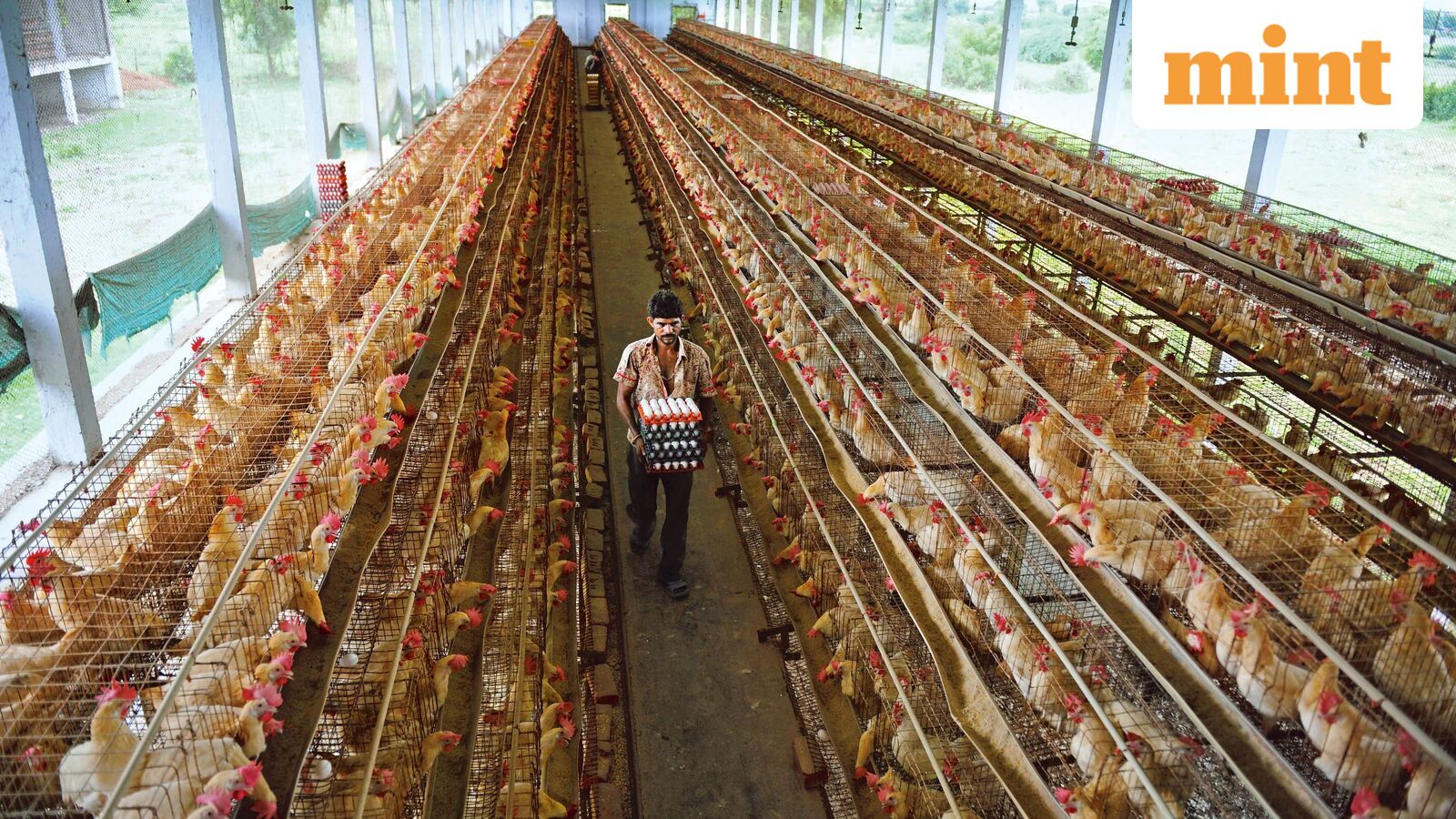
European livestock producers, particularly in the poultry sector, are facing an intense squeeze on profit margins as feed ingredient costs climb sharply. Maize, which typically constitutes 55% to 65% of standard broiler feed rations by weight, has seen a dramatic price escalation over recent years. Industry estimates indicate that prices paid by poultry farmers for feed maize have jumped to €0.27–€0.28 per kilogram, a steep rise compared to the €0.12–€0.14 per kilogram range recorded back in 2019.
This upward pressure on feed prices is driven by a combination of compounding agricultural pressures, notably regional droughts that have curtailed domestic grain yields and tightened overall supply. At the same time, strong industrial demand for maize from the biofuel sector—specifically for ethanol production—is competing directly with the feed industry for available grain stocks. As renewable fuel mandates keep processing plants running, the remaining volume of maize available for animal nutrition is increasingly squeezed, pushing procurement costs higher for feed mills and vertically integrated livestock operations.
Meat retailers and processors are currently caught between rising production costs and consumer price sensitivity. While some companies are attempting to absorb a portion of the financial burden to maintain market share, others are implementing selective price increases. These pricing adjustments are arriving just ahead of the seasonal pickup in meat consumption, threatening to dampen retail demand if grocery prices climb too steeply for household budgets.
For grain farmers, the high price environment reflects strong demand but also highlights the extreme volatility driven by weather patterns and competing industrial uses. However, for livestock and poultry farms operating on historically thin margins, these sustained high feed expenses threaten the economic viability of smaller producers who lack the scale to hedge grain purchases or lock in long-term supply contracts.
Context for farmers: Livestock producers should review their feed formulation strategies and consider alternative energy sources or co-products, such as wheat or dried distillers grains with solubles (DDGS), to mitigate the impact of high maize prices. Forward-contracting feed inputs or securing flexible supply agreements with local grain traders can also help stabilize operating costs ahead of seasonal demand shifts.
— agronom.work editorial team