
Scaling Up Without Sprawl: What Europe Can Learn from Dutch Agri-Innovation
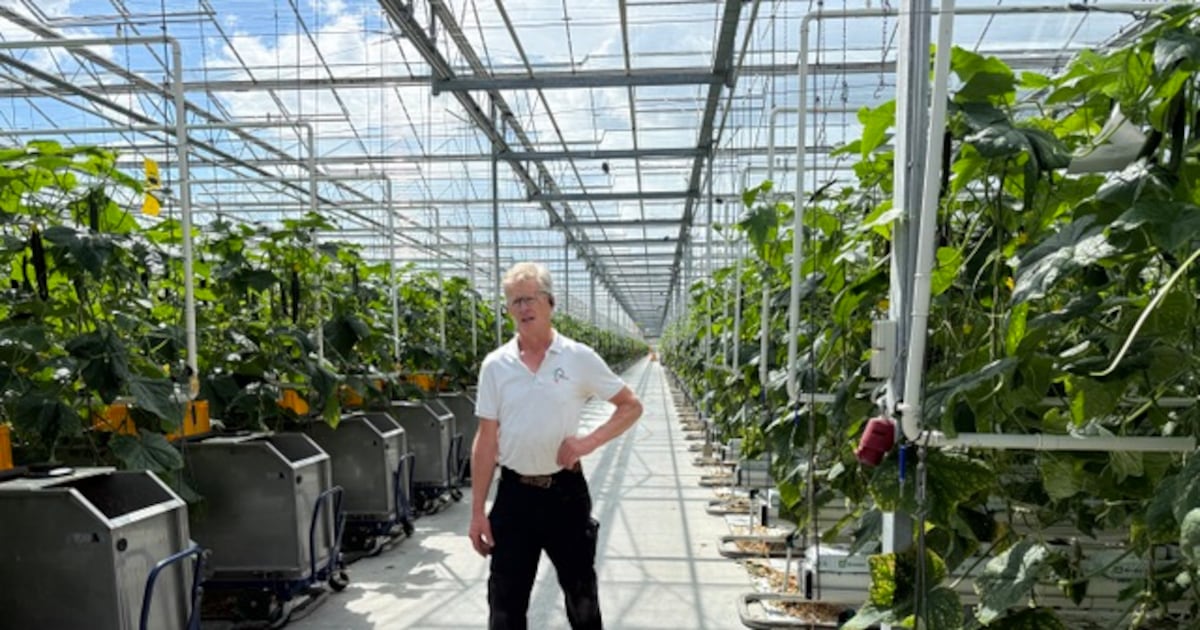
In the face of tightening land availability and increasing pressure to meet sustainability goals, the Dutch model of controlled-environment agriculture has become a focal point for European producers. By prioritizing high-tech, space-efficient systems over traditional land-extensive methods, the Netherlands has successfully positioned itself as a global leader in food exports despite its small geographic footprint.
The shift observed in Dutch nurseries and research institutes emphasizes vertical integration and precise resource management. Unlike traditional farming, which relies heavily on soil health and acreage, these systems utilize hydroponics, advanced LED lighting, and climate-controlled environments to squeeze maximum yields out of minimal physical space. This is a vital lesson for European farmers grappling with the EU's Farm to Fork strategy.
For the average agronomist or farm manager, the Dutch approach underscores the necessity of moving beyond 'more land equals more profit.' By digitizing climate control and automating irrigation, growers can mitigate the risks associated with unpredictable weather patterns—a significant concern across Central and Eastern Europe recently.
However, the transition to such systems requires significant capital investment and a shift in labor skills. Moving from tractor-driven operations to sensor-monitored greenhouse management demands a workforce comfortable with data analytics and precision hardware. This is currently a major bottleneck for many European agricultural enterprises looking to modernize.
What this means for the market: The future of European farming is leaning toward yield optimization rather than expansion. Producers should consider exploring modular agritech upgrades—such as precision fertigation or remote monitoring systems—as a way to improve margins without the need for additional land acquisition.
— agronom.work editorial team