
How Gene Editing Could Help European Farmers Shield Crop Nutrition from Climate Change
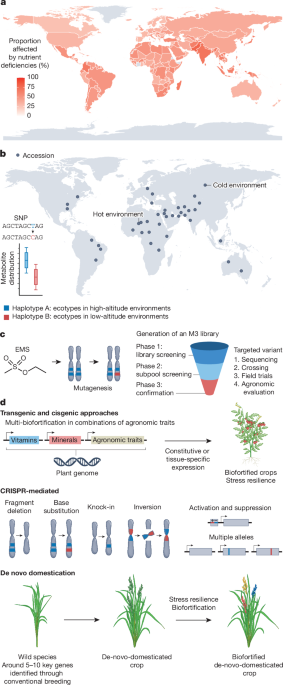
As climate change intensifies across Europe, farmers are facing a silent crisis: the nutritional decline of staple crops. Scientific studies show that elevated carbon dioxide levels and extreme weather events, such as the prolonged droughts in Spain and heatwaves in southern Germany, reduce crucial micronutrients like iron, zinc, and protein in wheat, barley, and potatoes. This trend threatens not only crop quality but also the market value of harvests, as grain processors and food manufacturers demand specific nutritional profiles.
To combat this, researchers are pointing to the combined power of advanced genetic technologies, particularly CRISPR-Cas gene editing. Unlike traditional breeding, which can take over a decade to stabilize new traits, gene editing allows scientists to make precise adjustments to a plant's existing DNA. This speed is critical for adapting crops to rapidly changing weather patterns in Central and Eastern Europe, where traditional cultivation methods struggle to keep pace with shifting seasons.
The agricultural angle goes beyond climate resilience; it is about biofortification. By modifying specific genes, scientists can enhance the plant's ability to absorb and store nutrients, creating crops that maintain high levels of vitamins and minerals even under environmental stress. For European agronomists, this means the potential to grow premium-grade grains that meet strict quality standards without requiring excessive chemical inputs or specialized soil treatments.
Currently, the adoption of these technologies in the European Union hinges on the regulatory landscape. The EU has been debating the deregulation of New Genomic Techniques (NGTs), which would distinguish gene-edited crops from traditional Genetically Modified Organisms (GMOs). If approved, this policy shift would allow European breeders to quickly bring climate-resilient and nutrient-dense seed varieties to the market, giving local farmers a competitive edge against imports.
Context for farmers: While European regulators finalize the framework for New Genomic Techniques (NGTs), farm operators should monitor regional seed trials and breeder catalogs for upcoming climate-resilient varieties. Preparing soil management plans and monitoring grain protein premiums will be essential as these advanced seeds begin to enter the market.
— agronom.work editorial team