
Diversifying Farm Income: Wind Energy as a Stabilizing Force for Livestock Operations
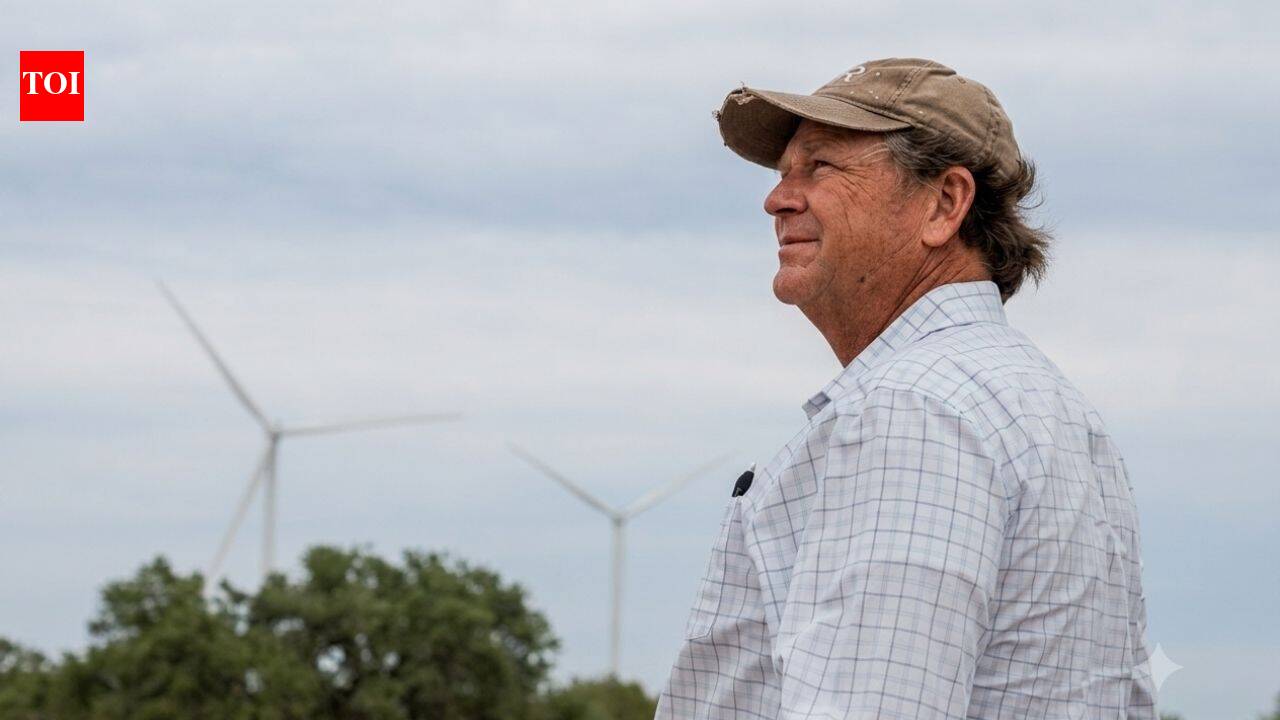
For many livestock farmers, the volatility of global commodity prices and the rising costs of inputs like feed and fuel represent constant threats to long-term profitability. In West Texas, a fifth-generation rancher recently shared how diversifying his revenue stream through wind energy has acted as a critical safety net, allowing his family farm to withstand economic downturns.
After twice rejecting the installation of wind turbines on his property, the rancher eventually allowed seven turbines from the Cactus Flats project to be placed on his land. Since 2019, the lease royalties from these structures have provided a predictable, annual income that is decoupled from the fluctuations of the livestock market. This revenue is now used to cover essential operational expenses, including livestock feed and farm labor wages.
In the European context, this model mirrors the growing interest in agrivoltaics and wind leasing among farmers in countries like Germany, Poland, and the Netherlands. As land prices rise and margins tighten, European agronomists are increasingly looking at how peripheral or less productive grazing land can serve dual purposes to bolster farm cash flow.
Integrating renewable energy infrastructure does require careful planning, especially regarding how the positioning of turbines or solar panels interacts with heavy machinery movement and animal grazing patterns. However, once established, the passive income generated can provide the liquidity needed to invest in precision agriculture equipment or weather-resistant infrastructure that improves core agricultural yields.
Context for farmers: While land-use agreements vary significantly by jurisdiction, farmers should treat energy leases as long-term financial hedges. By securing stable, non-cyclical income, operations can better navigate years where commodity prices are depressed or production costs spike due to climate events.
— agronom.work editorial team