
El Niño Officially Underway: What Global Weather Extremes Mean for European Agriculture
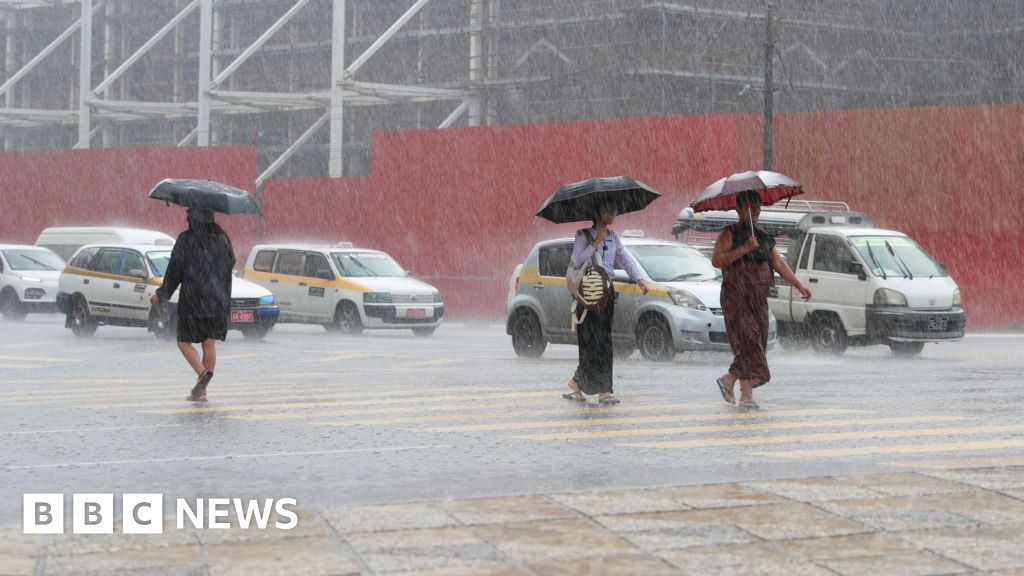
El Niño is officially underway, according to confirmation from US climate scientists. This cyclical global climate phenomenon brings significantly higher global temperatures and shifts in major weather patterns, putting the worldwide agricultural sector on high alert for the coming seasons.
While regions like East Africa, parts of Asia, and South America might face the most immediate and devastating droughts or floods, European agriculture remains deeply interconnected with these zones. Failed rains and dying crops in the Southern Hemisphere rapidly translate into global supply chain disruptions that impact every farm.
For farmers in Poland, Germany, Ukraine, and neighboring countries, the primary ripple effect will be felt on the commodities exchange. Disruptions to corn, soy, and wheat harvests in the Americas directly influence European grain prices. This scenario presents both lucrative opportunities for local grain exporters and severe financial challenges for livestock producers who rely heavily on imported feed components.
Locally, El Niño's effects on Europe are complex, but they generally increase the likelihood of extreme weather events across the continent. Agronomists warn that we could see unseasonal heatwaves or disrupted precipitation patterns during critical planting or harvesting windows, requiring highly adaptive crop management and irrigation strategies.
What this means for the market: European farmers should prepare for increased volatility in fertilizer and feed prices, as global agricultural outputs fluctuate over the next 12 to 18 months, making forward contracting a sensible strategy.
— agronom.work editorial team