
El Niño Climate Threat Looms Over Global Dairy Markets and Feed Costs
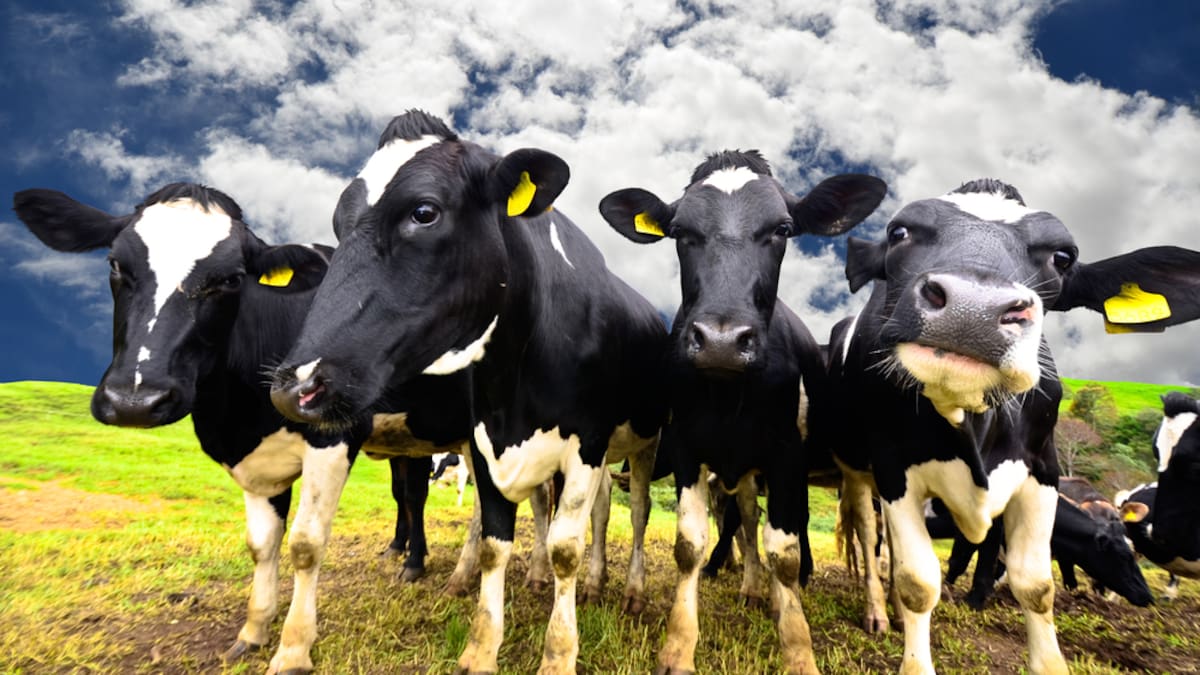
Dairy farmers across major exporting regions are bracing for the potential impacts of a strong El Niño weather pattern, which meteorological agencies warn could severely disrupt agricultural productivity. For dairy enterprises relying heavily on grazing systems, the primary concern centers on prolonged dry conditions, reduced rainfall, and subsequent heat stress. These climatic shifts directly inhibit pasture growth and quality, forcing producers to look for alternative forage options to maintain milk yields.
According to recent industry warnings from sectors like DairyNZ, such weather disruptions can dramatically escalate operational overheads. When natural pasture output drops, farmers are forced to increase supplementary feeding, utilizing expensive imported grains, silages, and concentrates to sustain herd nutrition. This sudden spike in input costs coincides with heightened volatility in global fertilizer and fuel markets, compounding the financial pressure on dairy farm businesses operating on tight margins.
Furthermore, reduced feed intake and heat stress invariably lead to lower milk production volumes per cow, impacting overall revenue streams. While global dairy commodity prices fluctuate in response to shifting supply and demand balances, regional producers facing localized droughts often absorb the brunt of the financial hit. Herd management strategies must quickly adapt, sometimes requiring early culling or dry-off protocols to preserve animal welfare and manage cash flow during prolonged dry spells.
For European and international dairy farmers, the looming El Niño serves as a stark reminder of the growing vulnerability of agricultural supply chains to extreme weather anomalies. As climate variability intensifies, modern farm operations are increasingly investing in resilient infrastructure, such as advanced irrigation systems, drought-resistant forage varieties, and improved on-farm water storage capacities to mitigate seasonal shocks.
What this means for the market: Extended dry periods driven by El Niño can tighten global dairy export supplies while simultaneously inflating production costs through higher feed and energy expenditures. Farmers and agronomists should closely monitor pasture conditions and secure forward contracts for feed inputs early to protect operational margins.
— agronom.work editorial team