
El Niño and Global Food Security: Why Europe's Farmers Should Watch African Markets
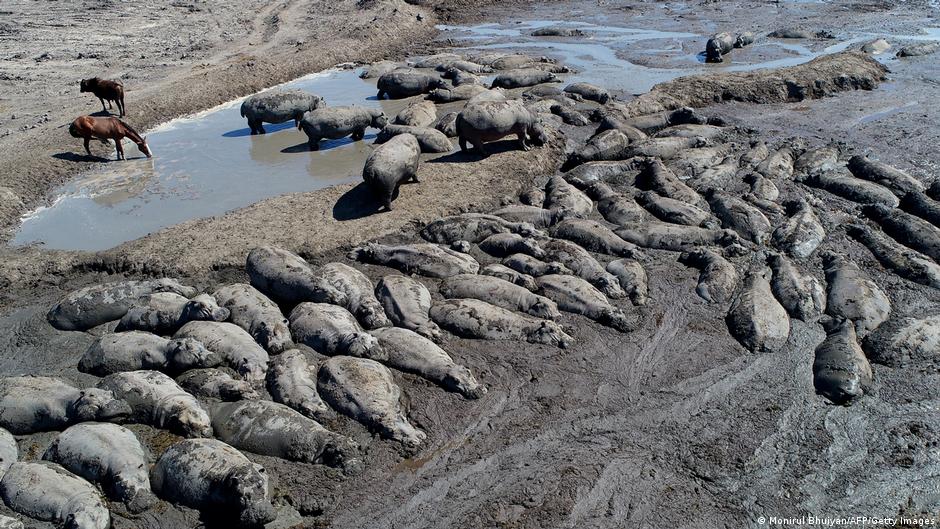
The United Nations Food and Agriculture Organization (FAO) and the World Food Programme (WFP) have issued a urgent call for $200 million in humanitarian aid to buffer against the impacts of El Niño. This climate phenomenon, characterized by the warming of ocean surface temperatures in the central and eastern Pacific, is projected to trigger a mix of extreme droughts and flooding across 22 high-risk countries in Africa. For millions of subsistence farmers, this threatens total harvest failure and severe food insecurity.
For the European agricultural sector, the ripple effects are significant. Africa remains a crucial destination for European grain exports and a supplier of various soft commodities. When food systems in East and Southern Africa face systemic failure, global commodity prices become highly volatile. Disruptions to local agricultural production often lead to sudden shifts in trade balances, forcing regions that are normally self-sufficient to enter the international market as emergency importers, which tightens global supply for wheat and maize.
Agricultural supply chains are inherently interconnected, and European agritech specialists should note the potential for shifts in demand for drought-resistant seeds and irrigation technologies. While the immediate focus is humanitarian, the crisis will likely influence policy discussions within the EU regarding trade cooperation and development aid aimed at climate-resilient farming practices. Understanding these climatic cycles is vital for predicting long-term demand trends.
History has shown that major climate-induced shocks in the Global South tend to ripple through European markets, affecting fertilizer pricing, input costs, and export demand. Furthermore, the volatility in food prices often leads to political shifts in trade policy, as nations struggle to balance their own food security with global humanitarian commitments. Maintaining a watch on these developments is essential for long-term farm planning and market analysis.
Context for farmers: Keep an eye on global maize and wheat price indices throughout the coming season. As extreme weather events in Africa influence global reserve levels, you may see increased volatility in the input costs for feed and fertilizer, as international trade flows react to the urgent needs of the affected regions.
— agronom.work editorial team