
New Plant Defense Engineered Against Devastating Global Fungal Threats
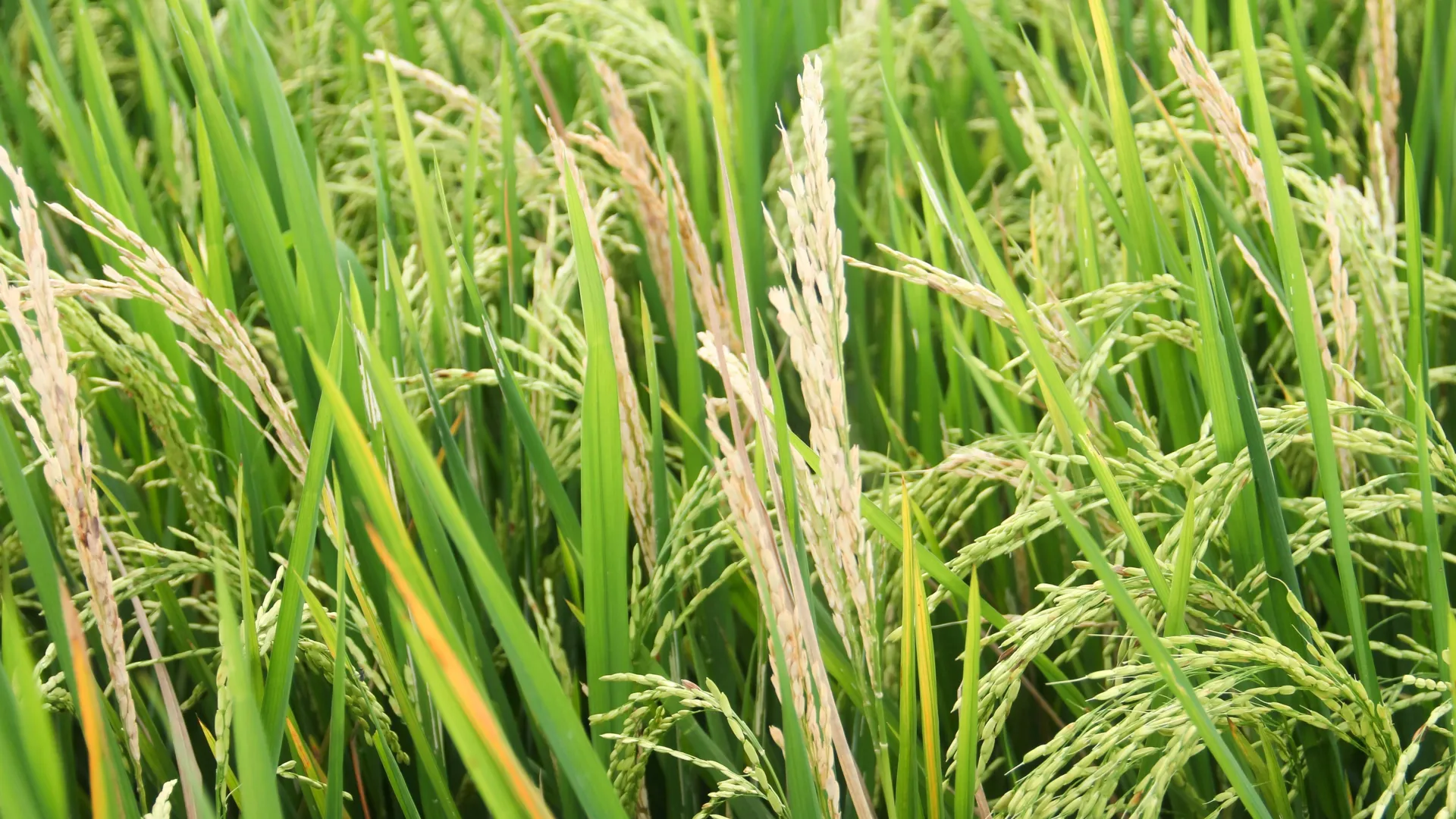
Global agriculture faces a persistent and escalating threat from pathogenic fungi capable of wiping out staple cereal crops like wheat, rice, and barley. These outbreaks not only jeopardize international food security but also impose heavy financial burdens on farmers who must constantly invest in chemical fungicides to protect their yields.
A major breakthrough by researchers has now introduced a new line of defense against these devastating pathogens. By engineering specialized plant immune receptors, scientists successfully created crops capable of recognizing multiple strains of the fungal threat, significantly enhancing natural resistance without relying solely on chemical treatments.
For agronomists and cereal growers across Europe, managing fungal diseases such as Septoria, Fusarium, and various rusts represents a major seasonal expense and a constant agronomic challenge. Traditional breeding methods are often slow to keep pace with rapidly mutating fungal strains, making biotechnological innovations in plant immunity a crucial area of study for future farm resilience.
While these engineered receptors are currently in experimental stages and require extensive field testing before commercial seed varieties become available, the discovery points toward a future of more resilient crop varieties. For European farms operating under tightening EU regulations regarding chemical plant protection products, such genetic advancements could eventually offer vital tools to maintain productivity.
As research progresses from laboratory settings to controlled trials, agricultural input companies and plant breeders will closely monitor how these synthetic receptors perform against diverse field conditions and regional pathogen variants.