
EPA Shifts to Voluntary PFAS Biosolids Limits as European Farmers Face Strict Rules
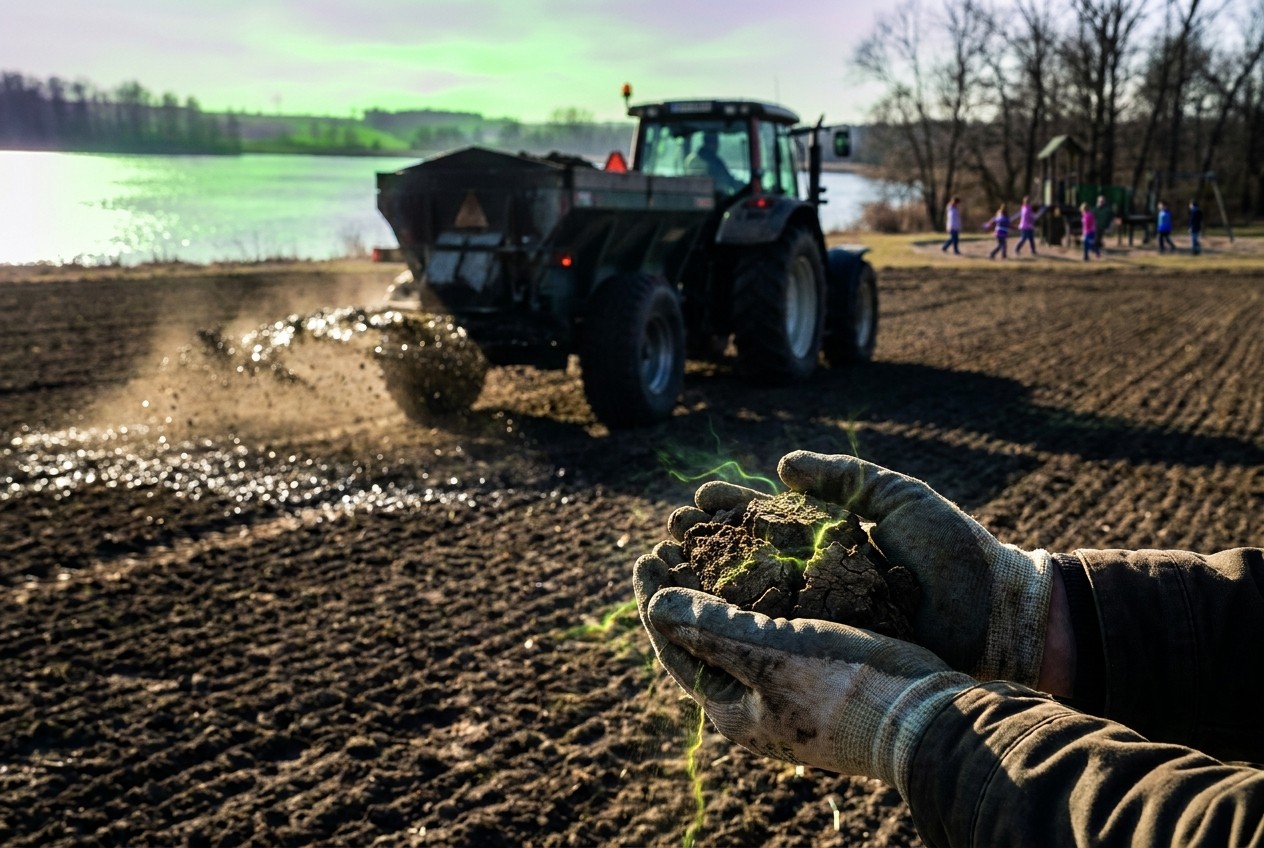
The U.S. Environmental Protection Agency has stepped away from binding regulatory limits on per- and polyfluoroalkyl substances, known as PFAS, in sewage sludge and biosolids fertilizers. Instead, the agency has opted for voluntary guidance aimed at mitigating the risks of these persistent chemicals entering agricultural soils. This shift marks a significant change in federal oversight for American agriculture, where treated municipal waste has long served as a cost-effective soil conditioner and nutrient source for crop production.
Biosolids are widely used across various agricultural sectors to supply organic matter, nitrogen, and phosphorus, helping reduce reliance on synthetic mineral fertilizers. However, because PFAS chemicals do not break down easily in the environment—earning them the moniker "forever chemicals"—their accumulation in soils and potential uptake by crops has sparked intense scientific and regulatory debate. The U.S. approach now relies on risk assessments and voluntary management strategies rather than strict federal thresholds for farmers and wastewater treatment facilities.
This development stands in stark contrast to the regulatory direction in Europe, where the European Union and national governments in countries like Germany, Poland, and the Netherlands are tightening environmental and food safety standards. European agricultural policy increasingly scrutinizes the application of sewage sludge on farmland due to concerns over heavy metals, pharmaceutical residues, and emerging contaminants like PFAS. European farmers operate under stringent limits, and any trace of chemical contamination in fields can lead to rejected harvests, restricted land use, and severe economic liabilities.
For European agronomists and farm managers, the U.S. pivot highlights the global divergence in managing agricultural inputs derived from urban waste. While American producers may temporarily avoid strict federal bans, European supply chains face rigorous scrutiny to ensure that food safety and soil health remain uncompromised. Importers of agricultural commodities must also navigate these differing standards, as consumer markets in Europe demand high transparency regarding chemical residues in food and feed.
As research into PFAS remediation and soil testing advances, agricultural stakeholders across both continents are closely monitoring how environmental policies impact fertilizer availability and soil longevity. Balancing the agronomic benefits of recycled nutrients with long-term ecological safety remains one of the defining challenges for modern farm management and environmental regulation worldwide.
What this means for the market: While U.S. farmers maintain access to biosolids under flexible guidelines, European producers must continue adhering to strict regulatory limits that restrict certain waste-derived fertilizers. Farm input costs and soil management strategies will increasingly diverge across Atlantic markets as Europe prioritizes strict contaminant prevention.
— agronom.work editorial team