
EPA Approves PFAS-Linked Pesticides: What European Farmers Need to Know
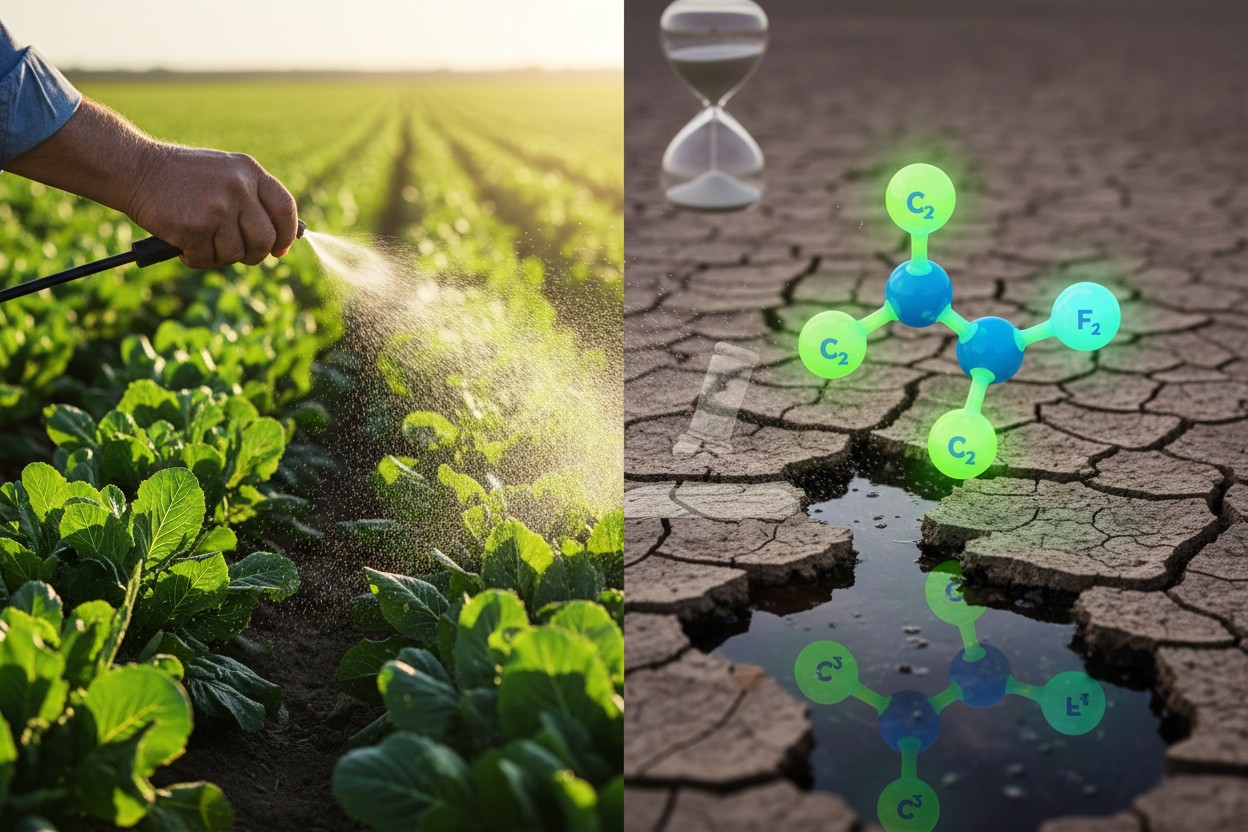
The U.S. Environmental Protection Agency (EPA) has recently greenlit three new pesticides featuring carbon-fluorine bonds. This decision has sparked intense debate regarding the classification of these substances as PFAS, commonly known as “forever chemicals.” For producers, these substances are often prized for their stability and efficiency in low doses, but their environmental persistence remains a point of intense scrutiny.
In the context of European agriculture, this move contrasts sharply with the ongoing tightening of pesticide regulations under the European Green Deal and the Farm to Fork strategy. European agronomists are already dealing with a shrinking list of approved active ingredients as EFSA continues to scrutinize substances based on persistence, bioaccumulation, and toxicity profiles. While US regulatory bodies move toward approval, the EU approach remains significantly more precautionary.
The central concern for farmers involves the potential for long-term soil and water contamination. PFAS-related compounds are notoriously difficult to break down, and as global trade regulations evolve, the presence of these residues in agricultural exports could become a significant barrier for European farmers looking to maintain compliance with strict food safety standards and MRL (Maximum Residue Limit) protocols.
For those managing intensive cropping systems, the trade-off between efficacy in pest control and the risks of long-term environmental liability is becoming clearer. Adopting Integrated Pest Management (IPM) strategies is no longer just a regulatory requirement but a risk management tool. Reliance on synthetic chemistry that carries potential health and environmental stigma could complicate future land management and crop marketing.
What this means for the market: Farmers should brace for tighter scrutiny on chemical residues in global supply chains. Even if a product is approved elsewhere, monitor local European regulatory updates closely, as the EU often moves to restrict substances that face international sustainability pushback.
— agronom.work editorial team