
Data-Driven Success in Remote Beef Production: The Pardoo Wagyu Model
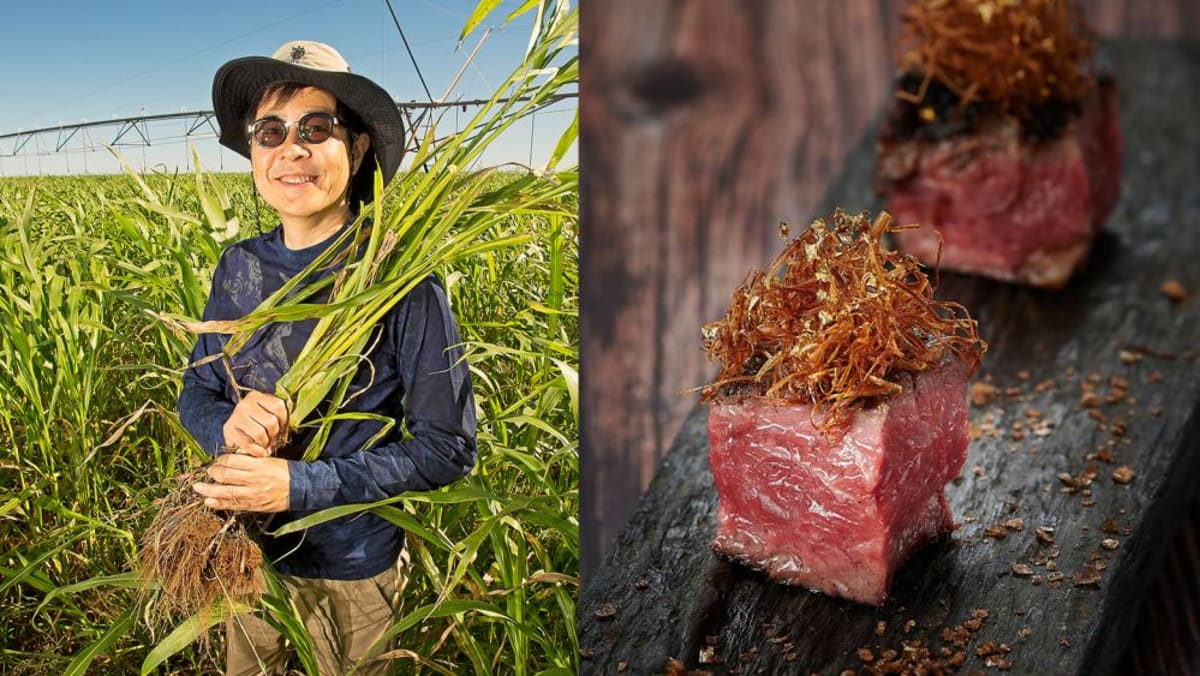
Deep in the iron-red expanse of Western Australia’s Pilbara region, traditional cattle ranching is undergoing a radical shift. This arid, rugged landscape, known more for its mineral wealth than agricultural output, is now home to a high-performance Wagyu breeding operation. By combining advanced Japanese cattle genetics with rigorous data analysis, the business has successfully challenged the limitations of a remote and challenging environment.
The transformation hinges on a mastery of local resources, particularly water management. In a region where reliable moisture is scarce, the implementation of sophisticated irrigation and water infrastructure has been the linchpin. This allows for improved pasture quality, directly supporting the caloric and nutritional needs of premium cattle breeds that are notoriously sensitive to their environment.
Technology serves as the backbone of this enterprise. Every aspect of the herd's lifecycle is tracked, from genetic predispositions to daily growth rates and overall health metrics. By utilizing data to make precise management decisions—ranging from stocking densities to feed supplementation—the operation maximizes efficiency while maintaining the strict standards required for top-tier Wagyu beef.
The success of this operation highlights the broader potential for integrating precision farming techniques into beef production, even in the most unforgiving climates. It demonstrates that with the right combination of genetic material, water security, and digital oversight, high-value animal husbandry can thrive outside of traditional farming heartlands.
What it means for farmers: This model proves that precision monitoring and resource optimization—particularly water and feed management—can make even the most marginal land profitable for high-value cattle production.