
Crop and Fertilizer Markets Stabilize as Middle East Tensions Ease
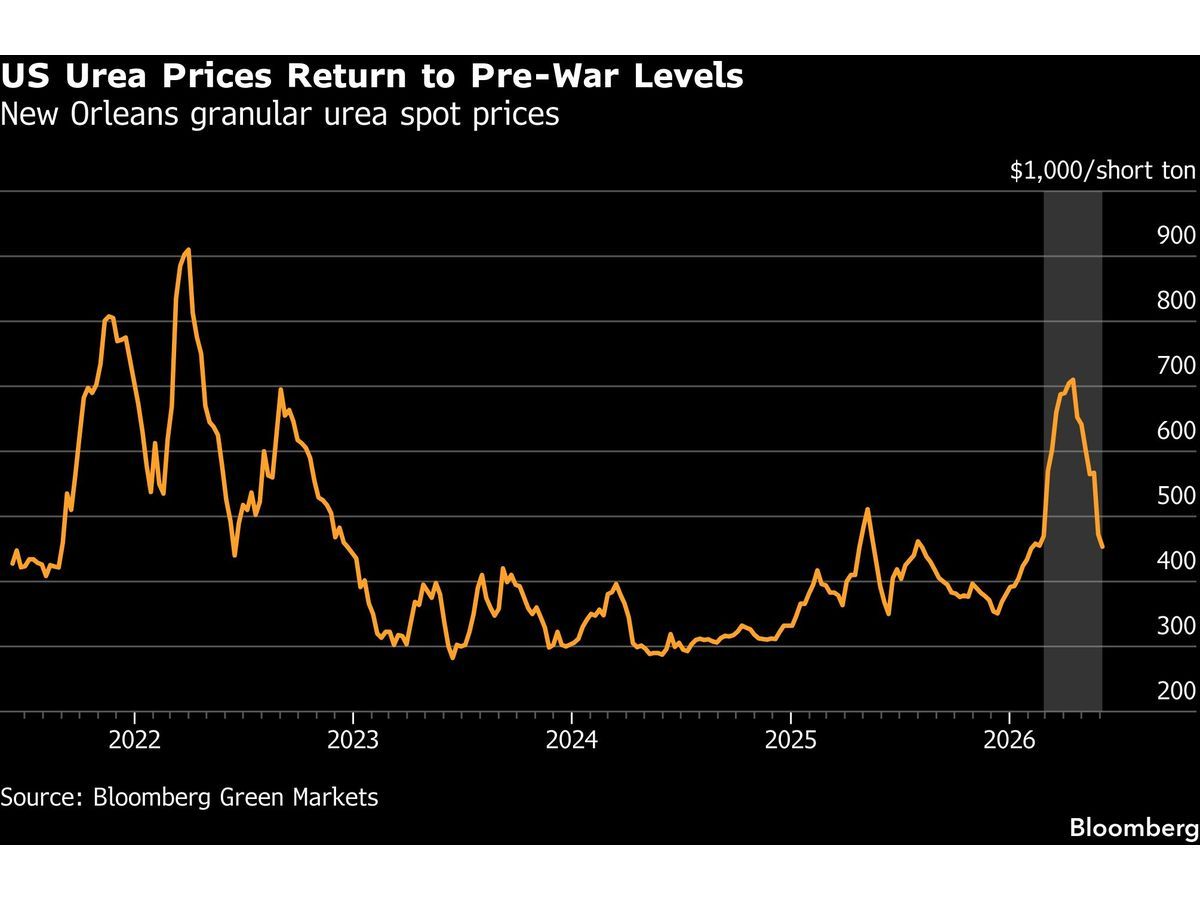
The sudden spike in agricultural input costs that rattled global markets is quickly fading. The "war risk premium"—a surge in prices driven by fears of prolonged conflict involving Iran—had recently swept through both crop and fertilizer sectors. However, as the immediate threat of extensive supply chain disruptions diminishes, markets are recalibrating, offering a breather to the agricultural industry.
For European farmers, particularly in regions like Poland, Germany, and Ukraine, the initial price surge raised alarms about the upcoming planting and growing seasons. The Middle East is a critical artery for global energy and fertilizer shipments. Any significant disruption in this region typically translates directly into higher costs for natural gas, a primary feedstock for nitrogen-based fertilizers, as well as logistical bottlenecks for potash and phosphates.
The rapid evaporation of this risk premium is a crucial indicator for farm economics. When geopolitical tensions flare, traders often price in worst-case scenarios, leading to preemptive price hikes. As the situation stabilizes, these inflated prices retreat. This easing is one of the most significant factors currently mitigating broader threats to global food inflation, which has been a persistent challenge for producers and consumers alike.
The stabilization of fertilizer markets is particularly timely. Many farm operations are finalizing their input purchases or managing their budgets for subsequent applications. A sustained price shock would have forced difficult decisions regarding application rates, potentially compromising crop yields and quality. The current market cooling allows for more predictable financial planning and operations.
Context for farmers: The easing of these geopolitical premiums presents a strategic window. While prices are retreating from their panic-induced peaks, global volatility remains a factor. Agronomists and farm managers should view this stabilization as an opportunity to secure essential inputs at more rational price points, rather than assuming a permanent downward trend.
— agronom.work editorial team