
First Human Case of Shamonda Virus in France Raises Questions for Livestock Farmers
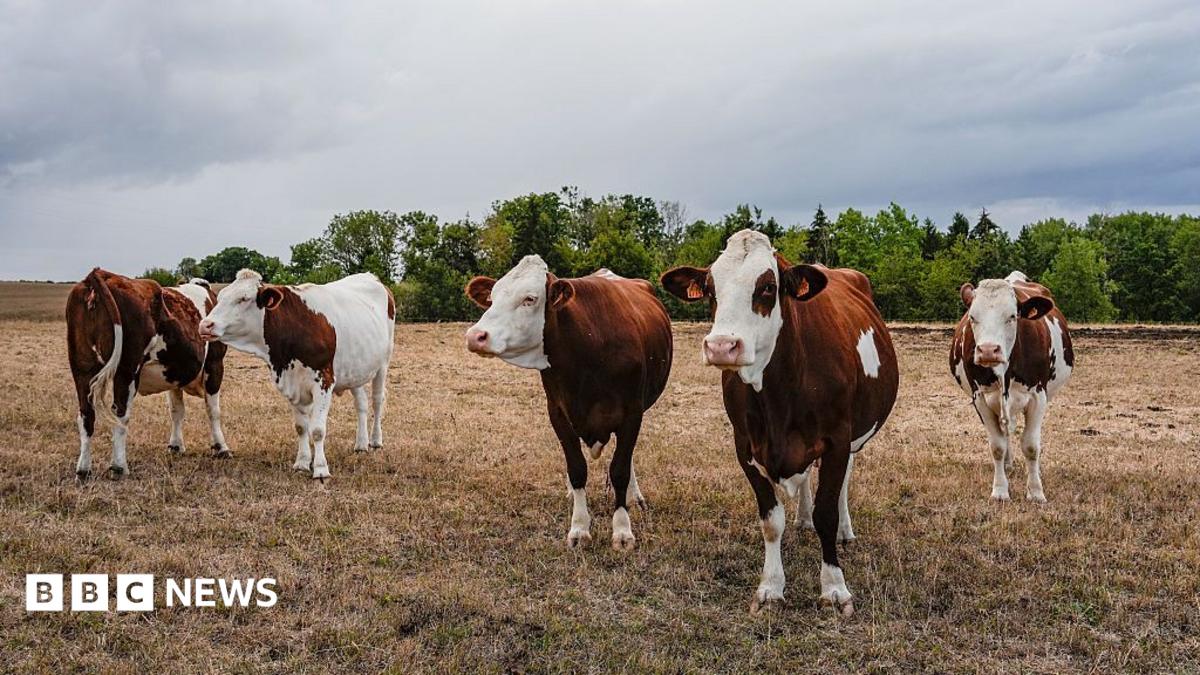
French health authorities have confirmed a milestone medical event following the detection of the first known human case of the Shamonda virus (Shav). The infection was identified in a patient who tragically passed away in early October. While health officials have categorized this as an exceptional transmission, the discovery brings a little-known livestock pathogen directly into the public spotlight.
Shamonda virus is an orthobunyavirus that primarily circulates among ruminants, particularly cattle and sheep. Transmitted primarily by biting midges of the Culicoides genus, the virus has historically been associated with reproductive disorders in livestock, including congenital abnormalities, stillbirths, and reduced fertility in herds across various regions.
For European livestock farmers, particularly in major cattle-producing nations like France, Germany, and Poland, vector-borne diseases are an escalating operational challenge. Climate shifts and milder winters have expanded the geographical range and active seasons of Culicoides midges, increasing the vulnerability of farm animals to diseases that were once strictly seasonal or geographically restricted.
While human contraction of the Shamonda virus is considered extremely rare and accidental, veterinary experts emphasize that the primary defense remains farm-level biosecurity and vector management. Livestock operations must routinely monitor herds for signs of unexplained reproductive failure, maintain rigorous insect control protocols around housing facilities, and stay informed regarding regional vector-borne disease advisories.
As authorities continue to investigate how the patient contracted the pathogen, the incident serves as a stark reminder of the close intersection between animal health, vector dynamics, and public health. For farm managers and agronomists, it underscores the growing importance of integrated pest management and biosecurity measures in modern livestock husbandry.