
EU Suspends Brazilian Meat Imports Amid Compliance Concerns
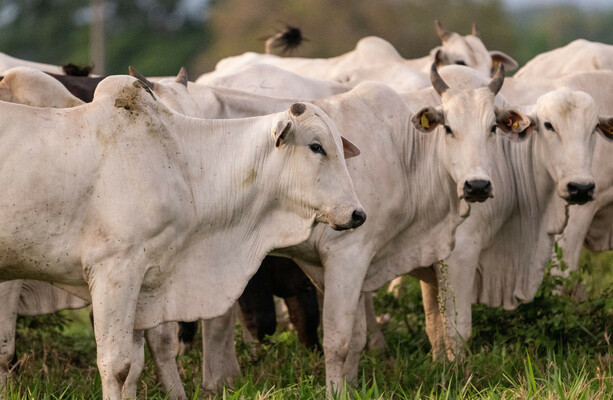
The European Union has announced a suspension of meat and animal product imports from Brazil starting this Thursday. This move follows ongoing concerns regarding the South American nation's failure to provide sufficient guarantees that its livestock production meets the bloc's stringent veterinary and pharmaceutical standards, specifically regarding the misuse of antibiotics.
For European livestock producers, this shift signals a potential tightening of the supply chain. Brazil is one of the world’s largest beef and poultry exporters, and any sudden removal of its products from the European market creates a vacuum that local producers may be called upon to fill. While this could support internal prices, it also puts pressure on EU-based operations to maintain high output levels while strictly adhering to the Green Deal's sustainability frameworks.
The suspension is not permanent but will remain in effect until Brazil provides verifiable documentation that their practices align with EU health rules. These regulations are designed to curb the development of antibiotic-resistant bacteria, an issue the EU has been aggressively targeting under its Farm to Fork strategy to protect public health and maintain fair competition for domestic farmers.
Market analysts suggest that this disruption could lead to increased volatility in protein prices across the continent. Farmers should monitor their regional input costs and market access, as reduced competition from cheaper non-EU imports may shift the balance of power in meat processing and procurement contracts over the coming months.
What this means for the market: European livestock farmers should anticipate short-term price fluctuations for beef and poultry as the market adjusts to the supply gap. Producers should review their inventory management and potential expansion plans, as the reduction in imports may create a window for increased domestic market share.
— agronom.work editorial team