
Escalating Attacks on Ukrainian Fields Threaten Harvest and Global Supply
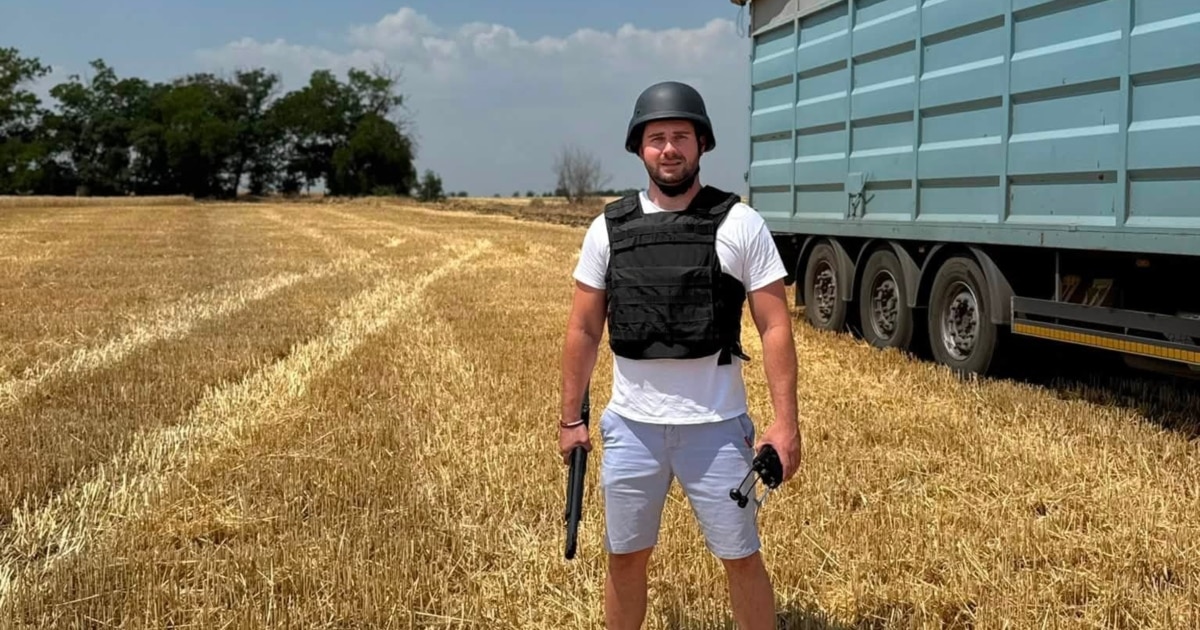
Ukrainian farmers are facing a severe escalation in warfare tactics as Russian forces increasingly deploy incendiary munitions directly against standing crops. These attacks, which ignite dry fields, are causing widespread destruction of grain nearing harvest, effectively nullifying months of labor and investment in fertilizers, fuel, and equipment.
For operators in high-risk zones, this represents a shift from conventional shelling to a strategy of agricultural sabotage. Beyond the immediate loss of yield, the burning of fields leaves soil degraded and poses extreme risks to farm workers and heavy machinery operating in these areas. The psychological and financial toll on local producers is reaching a breaking point as insurance coverage remains virtually non-existent for war-related damage.
The impact of these losses extends far beyond Ukraine's borders. As a primary exporter of wheat, corn, and sunflower oil, any disruption to the Ukrainian harvest puts additional pressure on global commodity markets. Traders are closely monitoring the security situation, as the loss of significant acreage often translates into localized supply shortages and increased price volatility for European importers.
Agricultural logistics are also suffering. With the risk of fire spreading to storage facilities, silos, and critical infrastructure, logistics chains are becoming increasingly fragmented. Farm workers are forced to navigate minefields and fire threats simultaneously, creating a labor environment that is both physically hazardous and economically precarious.
What this means for the market: The systemic destruction of crops suggests a prolonged tightening of supply, which likely will keep grain futures elevated and force European buyers to source alternatives at higher costs. Farmers in bordering regions should anticipate continued volatility in input prices and a heightened reliance on stable cross-border supply chains as logistics routes within the conflict zone remain compromised.
— agronom.work editorial team