
UK-EU Alignment Deals Threaten British Farm Income, Lords Warn
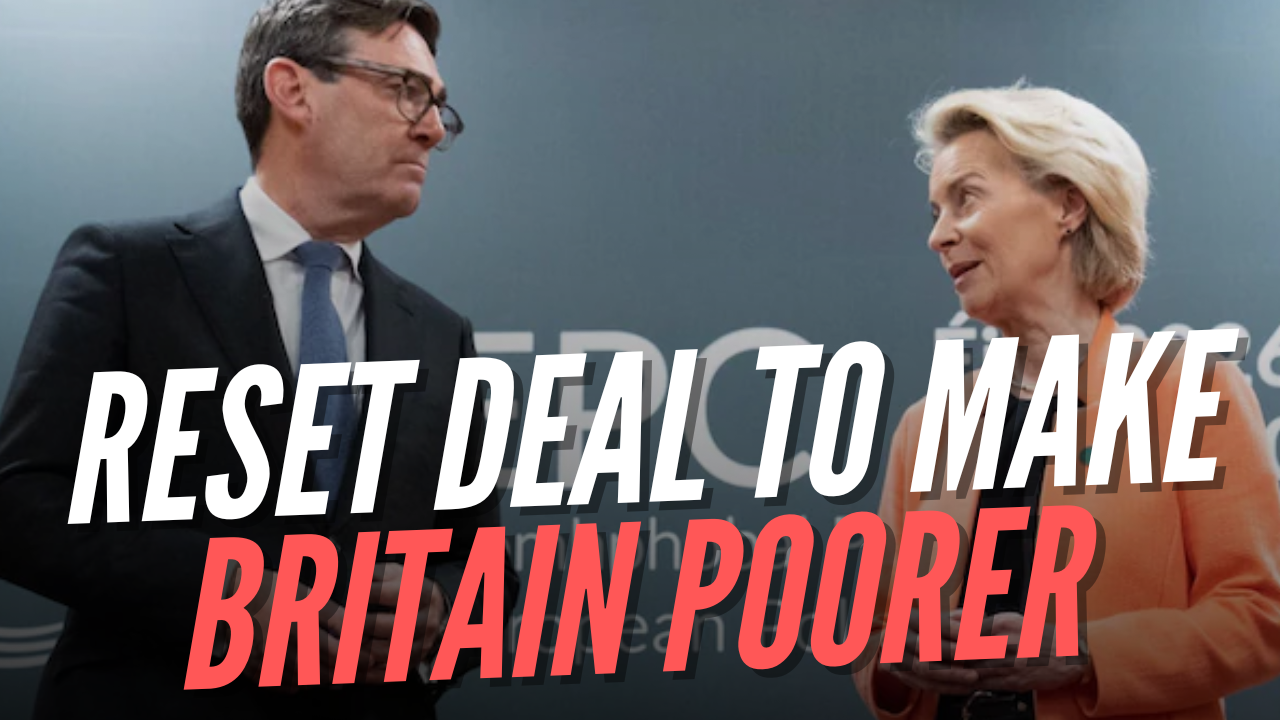
British agricultural producers are facing renewed policy uncertainty as a parliamentary committee sharply criticizes upcoming bilateral agreements with the European Union. Scheduled for formal endorsement at an upcoming summit, the proposed dynamic alignment deals aim to harmonize specific regulatory standards between the UK and the bloc. However, agricultural peers and industry analysts warn that committing to EU rules without securing reciprocal market access concessions or adequate funding safeguards could place a severe financial burden on domestic crop and livestock producers.
For UK farmers, dynamic alignment typically translates to maintaining strict compliance with evolving EU environmental, chemical, and animal welfare mandates while operating outside the Single Market and Common Agricultural Policy support structures. Unlike producers on the continent, who benefit from direct area payments and extensive eco-scheme subsidies, British growers navigate a transitioning domestic agricultural policy framework. Absorbing regulatory compliance costs without equivalent financial buffers risks squeezing profit margins across arable and livestock sectors alike.
The potential economic impact on farm gate returns is projected to be significant, with parliamentary estimates suggesting a possible income reduction of up to 10% for certain primary producers. Increased administrative burdens, certification requirements, and potential friction in cross-border supply chains for inputs like seeds, fertilizers, and veterinary medicines could further escalate operational expenditures. Farm managers are increasingly concerned that asymmetric regulatory alignment will disadvantage domestic producers competing against imports that may not face identical enforcement costs.
Beyond immediate balance-sheet pressures, these trade developments carry implications for continental neighbors and European supply chains. British agriculture has historically served as a critical trading partner for neighboring EU member states, particularly regarding inputs, machinery, and seasonal labor exchange. Any contraction or structural shift in UK farm profitability alters trade flows across the North Sea, influencing regional commodity pricing and input distribution strategies for agritech suppliers operating across Western Europe.
As the political debate surrounding future UK-EU relations intensifies, agricultural stakeholders are urged to closely monitor regulatory texts and trade negotiations for specific exemptions or transition periods. Farm enterprises should proactively review compliance protocols and supply chain resilience to mitigate potential cost increases stemming from evolving cross-border trade frameworks.
— agronom.work editorial team