
EU Considers Loosening Pesticide Regulations Amid Safety Concerns
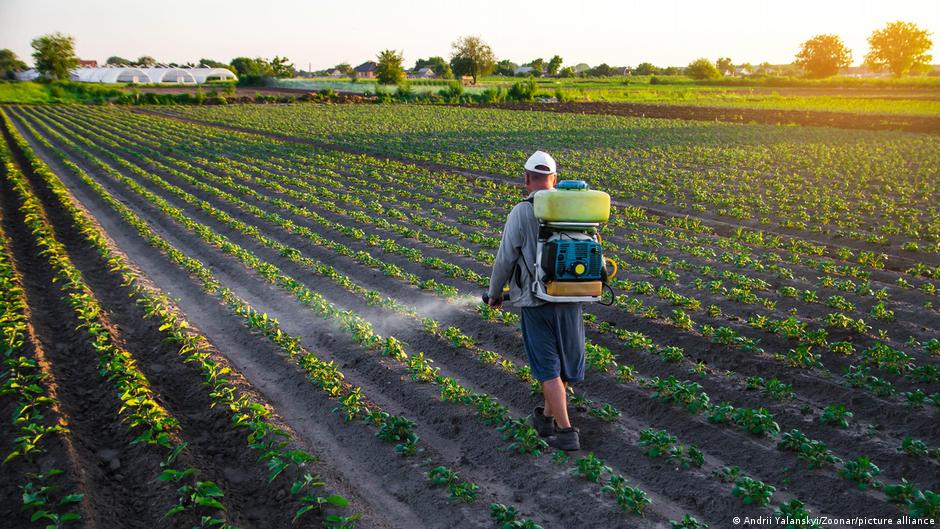
The European Commission has introduced a fresh set of legislative proposals aimed at streamlining and simplifying agricultural rules across the bloc. Among the most contentious changes is a move to ease regulatory requirements surrounding pesticide use and food safety. Brussels argues that these adjustments will make it quicker and less burdensome for farmers to access and adopt modern crop protection tools, particularly biological and environmentally friendly options that often face long administrative bottlenecks.
For agricultural producers operating in major EU markets like Germany, Poland, and the Netherlands, bureaucratic delays in product approvals have long been a major pain point. Agronomists frequently point out that innovative pest and disease management solutions take years to clear the European Food Safety Authority and national regulatory pipelines, leaving growers at a competitive disadvantage. Proponents of the reform suggest that accelerating approvals could give farmers faster access to safer alternatives, helping maintain crop yields amid tightening climate conditions and rising pest pressures.
However, the proposed relaxation has triggered immediate pushback from environmental organizations, consumer safety advocates, and public health experts. Critics warn that lowering regulatory hurdles could undermine long-term environmental targets set under the European Green Deal and the Farm to Fork strategy. Concerns are centered around potential risks to biodiversity, water quality, and consumer health, with scientists arguing that chemical safety thresholds should not be compromised for the sake of administrative efficiency.
The debate highlights the delicate balancing act facing EU policymakers as they attempt to appease protesting farmers without abandoning sustainability commitments. Across Europe, agricultural sectors have faced severe economic pressures, high input costs, and mounting climate unpredictability, fueling widespread protests over the past year. Governments are increasingly looking for ways to cut red tape and lower production costs, but doing so without triggering a public backlash over food safety remains a formidable political challenge.
As the legislative text moves through the European Parliament and Council, farm managers and agricultural input suppliers should monitor how national implementation plans shape up. While a streamlined approval process could eventually reshape crop protection strategies and input costs across EU member states, the final outcome will likely depend on how lawmakers reconcile agricultural competitiveness with stringent environmental safeguards.