
EU Scraps Binding Pesticide Reduction Targets: Breathing Room for Farmers
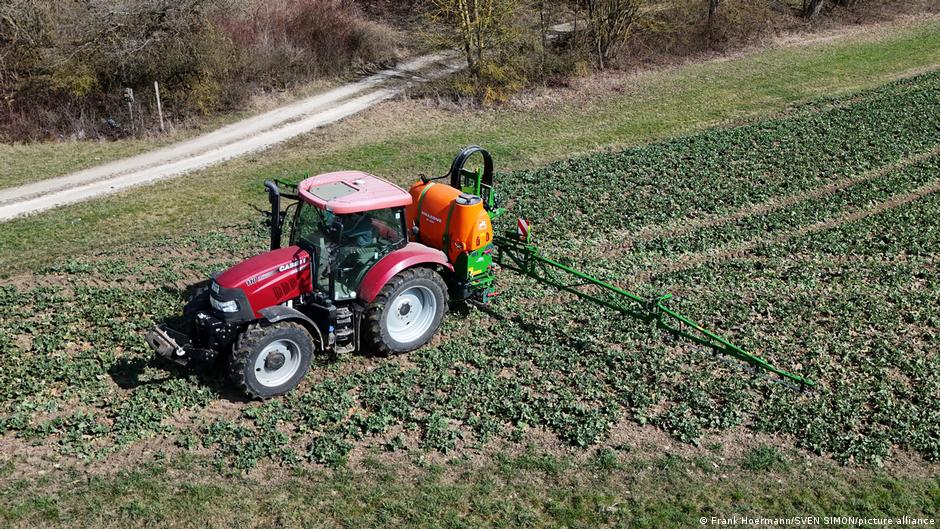
The European Union's ambitious initiative to halve agricultural pesticide use by 2030 has effectively stalled. Following intense debate and widespread protests by the agricultural community, the binding reduction targets have been officially scrapped, marking a significant recalibration of the bloc's environmental and agricultural policy.
For the farming sector across Europe—from the expansive fields of Poland and Germany to the intensive operations in the Netherlands—this development provides immediate regulatory relief. Agricultural producers and agronomists have long argued that drastic, mandated reductions would inevitably lead to lower crop yields and higher operational costs, especially in the absence of equally effective and affordable chemical alternatives.
A central element of this ongoing regulatory battle is the continued availability of glyphosate. Despite facing intense public and political scrutiny, the broad-spectrum herbicide remains authorized for use across the EU. For many farm operators, particularly those practicing minimum tillage or conservation agriculture, glyphosate remains an indispensable tool for efficient weed management, labor reduction, and preserving vital soil moisture.
Nevertheless, the broader push toward sustainable farming has not vanished; it has merely shifted focus. While rigid legislative quotas have been removed, market forces and national policies continue to encourage integrated pest management (IPM). This environment is accelerating the adoption of agritech innovations, making precision agriculture tools—such as variable-rate application sprayers and AI-driven optical weed recognition—increasingly valuable for optimizing chemical use and reducing costs.
Context for farmers: The removal of immediate, binding reduction targets offers a critical window of opportunity. Rather than facing punitive regulations today, farm managers can use this transitional period to strategically invest in precision application technologies and gradually test viable bio-pesticides on their own terms.
— agronom.work editorial team