
European Sugar Beet Yields Slump to Decade Lows
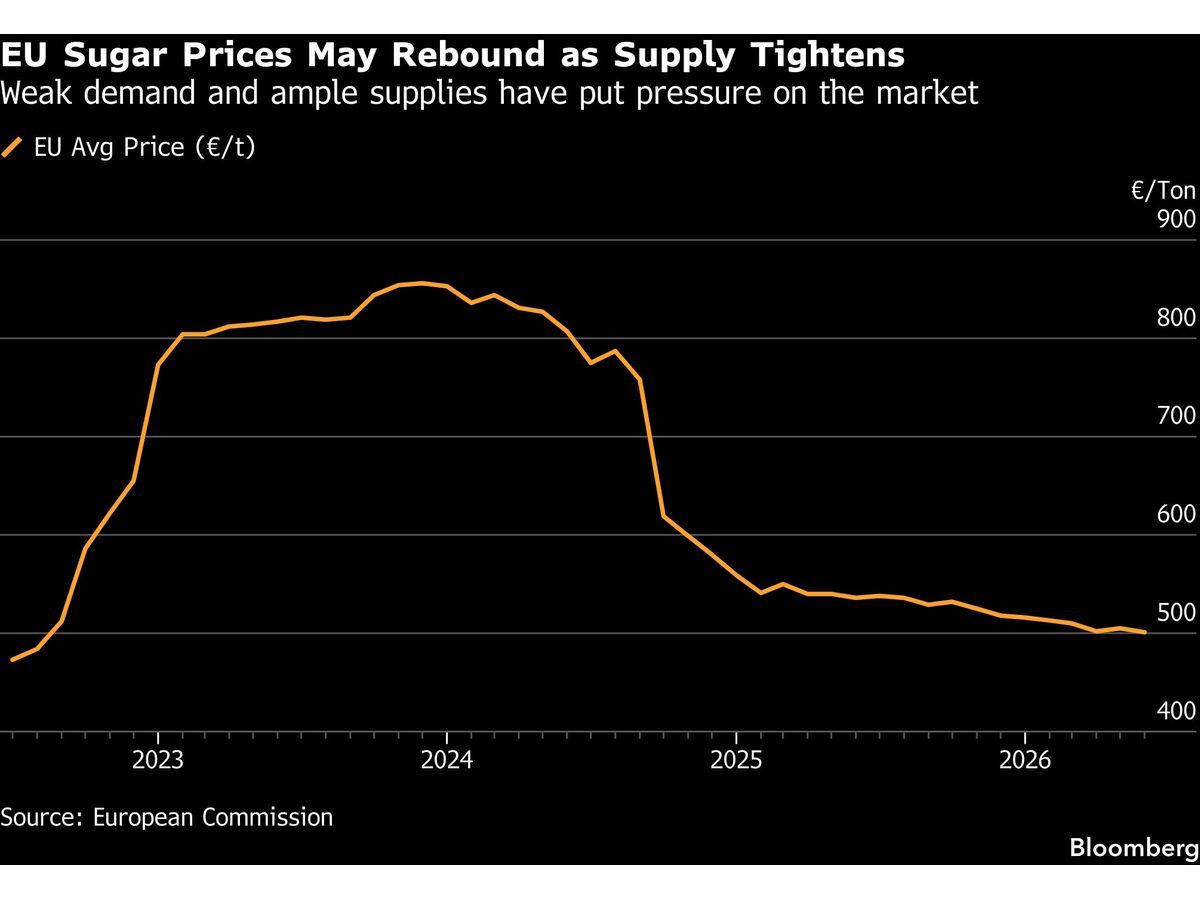
Europe's sugar production is facing its most significant decline in over a decade. Persistent heatwaves and unpredictable weather patterns have severely impacted sugar beet crops across major producing nations, from the fertile plains of France to the beet-growing hubs in Poland and Germany.
The current agricultural challenge is compounded by the broader influence of the El Niño climate phenomenon, which has disrupted seasonal moisture levels essential for root development. Agronomists note that early planting success was negated by summer droughts, leading to a noticeable reduction in both root weight and sugar content per hectare.
For farmers, this creates a complex landscape. While lower yields naturally lead to concerns regarding output-linked contracts, the reduced supply across the continent is likely to keep market prices for sugar beets elevated. This situation forces producers to re-evaluate their reliance on traditional varieties versus more resilient, drought-tolerant hybrids in upcoming planting cycles.
Supply chain analysts anticipate that this shortfall will tighten the global market, forcing food manufacturers and ethanol producers to compete for dwindling European stocks. Smaller mills may struggle with lower throughput, potentially impacting regional labor requirements during the upcoming harvest processing phase.
What this means for the market: Farmers should monitor local beet sugar content reports closely, as lower sugar yields may trigger force majeure clauses or price adjustments in standard delivery contracts. With market tightness expected to persist, planning for next season should prioritize moisture-retention soil management and early-stage crop insurance assessments.
— agronom.work editorial team