
European Heatwave Stunts Crop Growth, Threatening Export Chains to Asia
European agricultural producers are grappling with the severe consequences of persistent extreme heatwaves this season. From grain fields in central Europe to specialized horticultural plots in Belgium and neighboring regions, prolonged high temperatures and moisture deficits are taking a heavy toll on crop development. Farmers report that the physiological stress on plants during critical growth stages has severely stunted fruit and vegetable sizing.
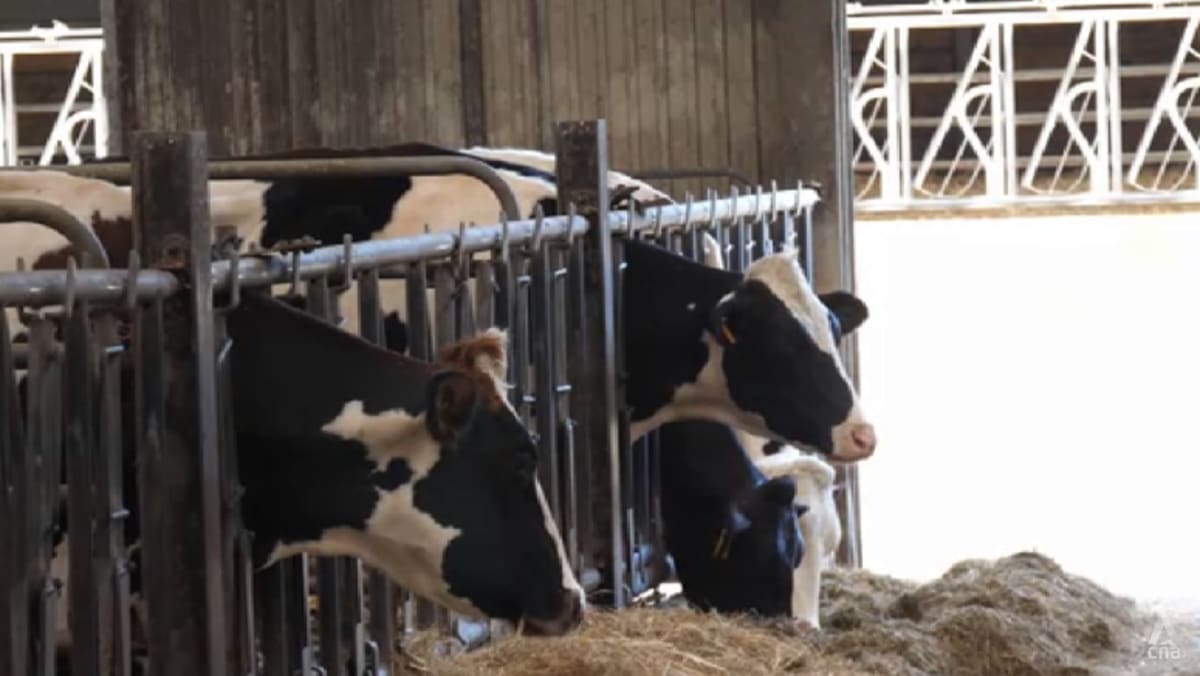
Horticulturists and agronomists on the ground note that staple commodities such as potatoes, carrots, and apples are coming in significantly undersized compared to standard multi-year averages. In some micro-regions, extreme thermal stress and sudden heat spikes have caused fruit drop or complete harvest failure for sensitive varieties. Livestock sectors are similarly impacted, as heat stress reduces feed efficiency and daily weight gains in meat production, while dairy herds experience notable drops in milk yield due to thermal discomfort.
These widespread yield reductions carry significant implications for European supply chains and international trade balances. Traditionally, the European Union commands a robust position in supplying high-value agricultural commodities, fresh produce, and processed foods to fast-growing consumer markets in Asia. However, with domestic production volumes tightening due to weather anomalies, exportable surpluses are shrinking, which threatens to drive up international spot prices and force trade partners to look toward alternative global suppliers.
For farm operations across Germany, Poland, the Netherlands, and other key agricultural hubs, this season underscores the accelerating financial risks associated with climate volatility. Growers who lack advanced micro-irrigation infrastructure or climate-resilient crop genetics are bearing the brunt of the losses. Even with supplemental watering, high evaporation rates and strict regional water-abstraction limits during drought periods often leave crops under-watered precisely when demand for moisture is highest.
Context for farmers: Recurring summer heatwaves demand a strategic pivot toward drought-tolerant cultivars, soil moisture conservation techniques like strip-till or cover cropping, and investments in precision irrigation systems to safeguard future yields and export competitiveness.
— agronom.work editorial team