
Feral Pigs Cost US Agriculture Billions as USDA Boosts Trapping Funding
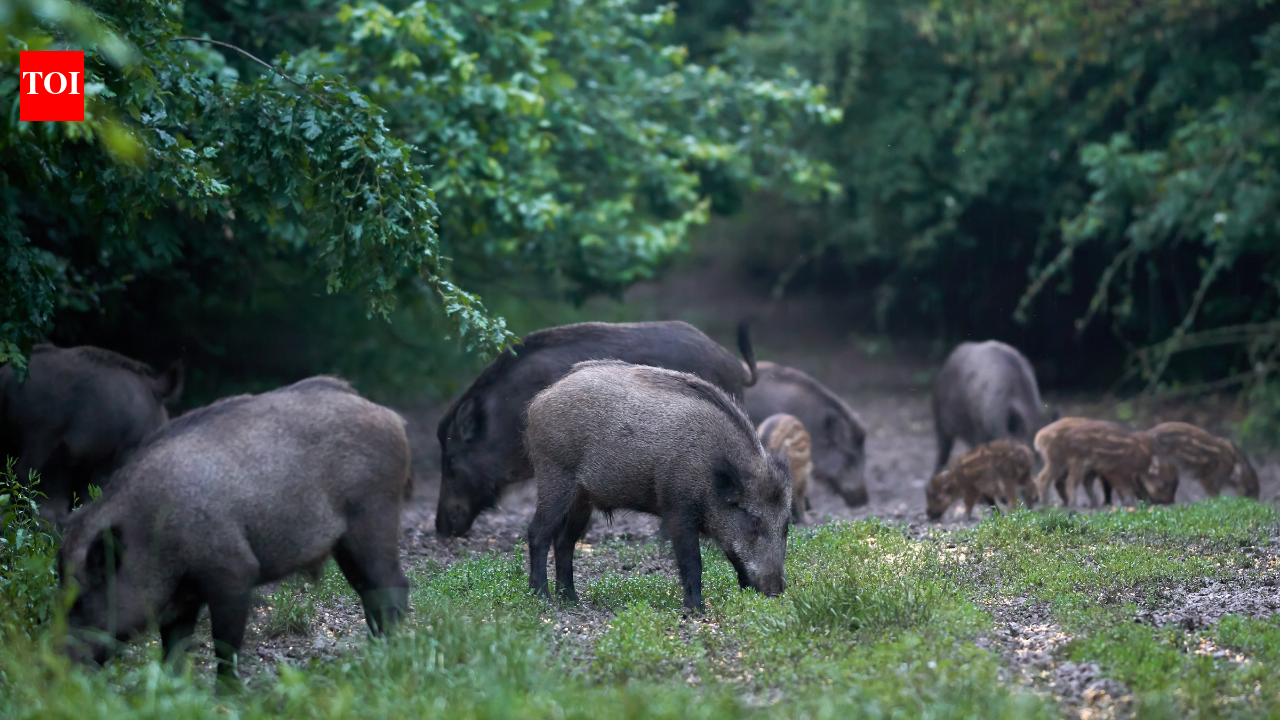
Feral pigs and wild boars have long posed a severe management challenge for agricultural producers, causing over $3.4 billion in economic and crop damage annually across the United States. These invasive animals root up fields, destroy planted seeds, damage irrigation systems, and consume vast amounts of grain, directly threatening farm productivity and food security.
To combat this escalating ecological and financial crisis, the United States Department of Agriculture has awarded $51.9 million to support 29 targeted removal projects across 13 states. These initiatives focus on aggressive trapping, population reduction, and the subsequent restoration of vulnerable ecosystems and farmland trampled by herds.
While this situation unfolds in North America, European farmers dealing with wild boar populations—particularly in regions bordering forests in Poland, Germany, and parts of Ukraine—know all too well the devastation these omnivorous pests can bring. Beyond direct crop destruction in corn, wheat, and root vegetables, wild boars remain primary vectors for African Swine Fever (ASF), posing a constant biosecurity threat to commercial pig farms and backyard livestock holdings alike.
Effective management requires coordinated trapping efforts, secure perimeter fencing, and active population control, as wild boars reproduce rapidly and adapt easily to changing rural landscapes. Government-backed grants and coordinated regional programs, similar to the USDA's recent funding injection, are frequently cited by agricultural organizations as essential tools to keep rural damages manageable.
Agronomists and farm managers facing persistent wildlife pressure must continuously monitor field margins and incorporate robust pest management strategies into their seasonal planning. Mitigating the financial toll of invasive fauna remains a critical priority for protecting profit margins and securing stable yields year after year.
What this means for the market: Persistent damage from feral pigs and wild boars directly inflates production costs and threatens yields in affected regions, ultimately impacting local grain and livestock supply chains. Farmers should review their perimeter defenses and leverage available regional control programs to minimize biosecurity and crop risks.
— agronom.work editorial team