
Fertilizer Ship Backlog at Hormuz Threatens European Supply Chains
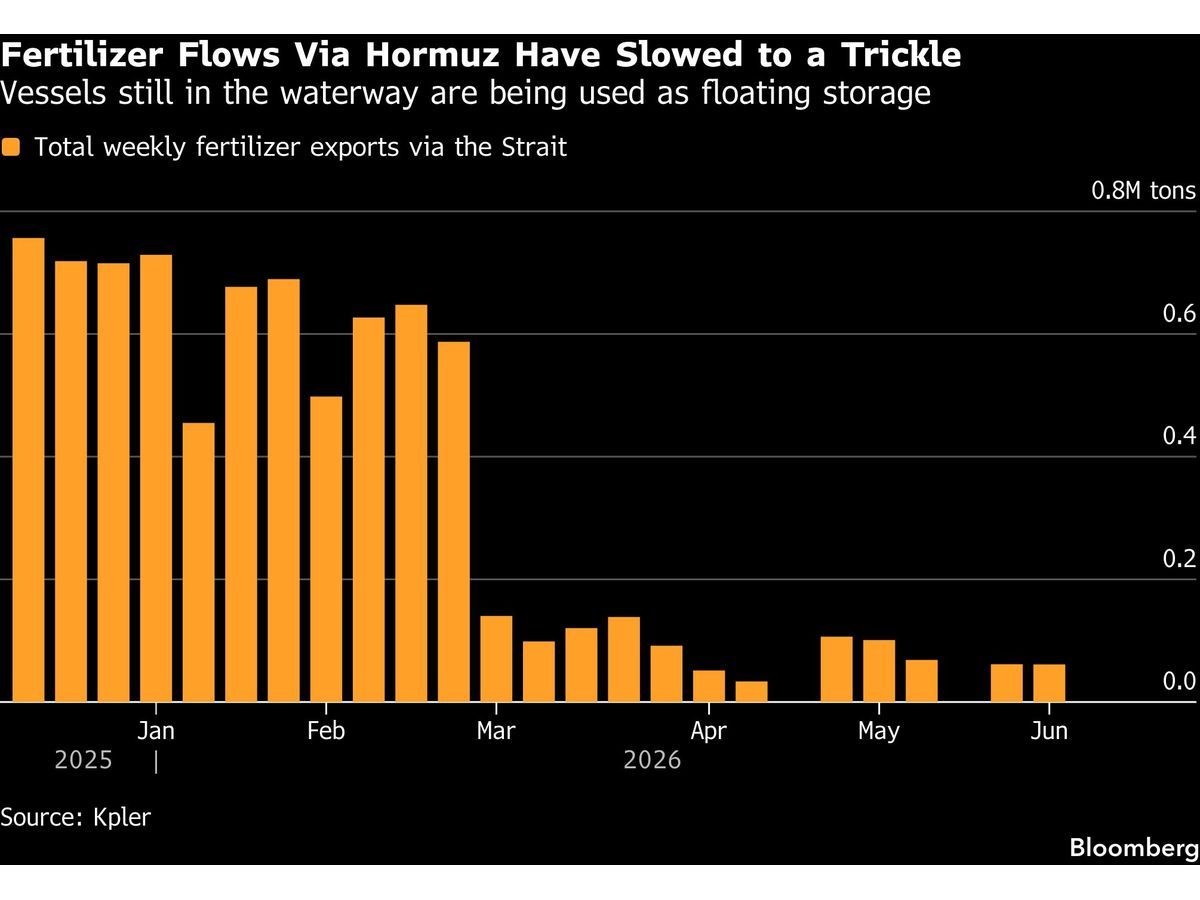
The prospect of an interim diplomatic agreement in the Middle East has raised hopes for the full reopening of the Strait of Hormuz, a critical artery for global maritime trade. However, European farmers relying on imported agricultural inputs should not expect immediate relief in supply constraints or pricing.
The protracted conflict has created a severe backlog of maritime traffic. Shipowners and freight insurers remain highly cautious, refusing to rush vessels back into the corridor without concrete, long-term safety protocols. This hesitation means that bulk carriers loaded with essential fertilizers remain stalled at anchorages.
For the European agricultural sector, the Middle East is a vital supplier of nitrogen-based fertilizers, particularly urea and ammonia, which rely heavily on the region's vast natural gas resources for production. Any bottleneck in this specific region directly translates to delayed deliveries at major European agricultural hubs, from Rotterdam to Gdańsk.
As the primary planting and spring fertilization windows approach across the continent, these logistical bottlenecks threaten to artificially inflate input costs. Agronomists and farm managers who typically rely on just-in-time delivery for top-dressing crops may find local distributors struggling to maintain adequate inventory levels.
What this means for the market: If you have not yet secured your nitrogen fertilizer needs for the upcoming season, it may be prudent to lock in available local stock now rather than waiting for seaborne imports to normalize and prices to potentially drop.
— agronom.work editorial team