
Major Fertilizer Subsidy Package Approved for Upcoming Rabi Season
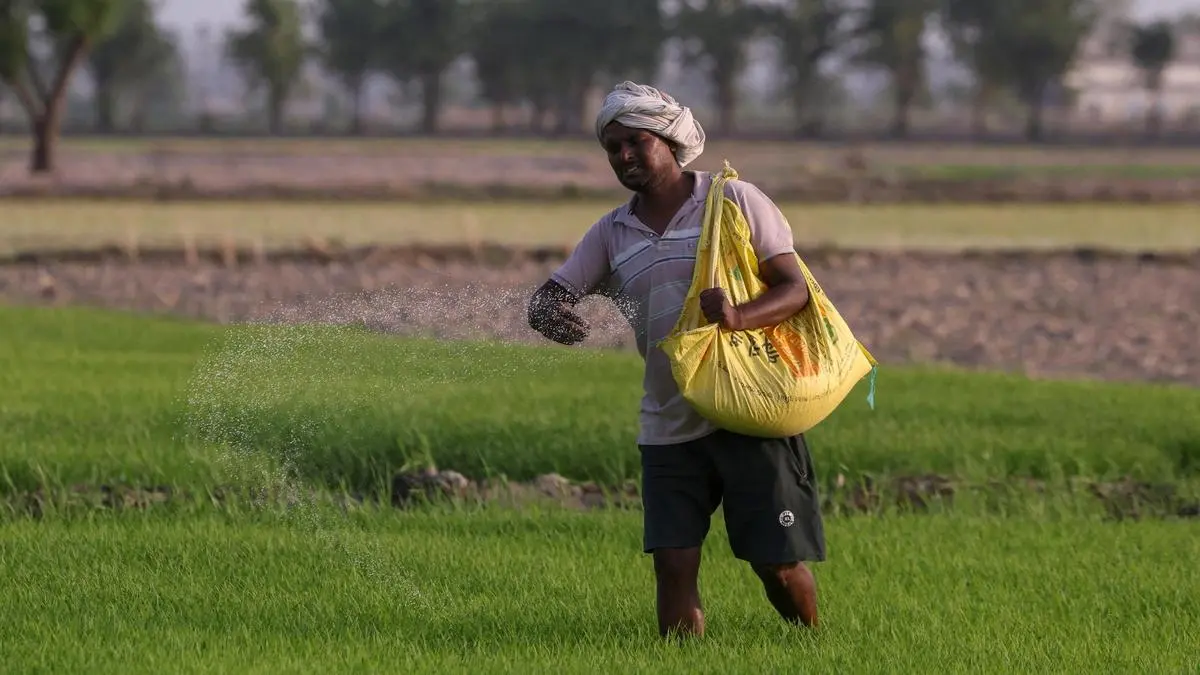
The Union Cabinet has officially greenlit a substantial fertilizer subsidy package totaling ₹62,370 crore for the upcoming Rabi 2026-27 agricultural season. This allocation represents a significant 64 percent increase compared to the ₹37,952 crore earmarked during the previous Rabi period, reflecting mounting fiscal measures to shield agricultural producers from volatile global input markets.
The financial package explicitly covers Nutrient Based Subsidy (NBS) rates for phosphatic and potassic (P&K) fertilizers, running from October 1, 2026, through March 31, 2027. By securing these subsidy rates well in advance, policymakers aim to provide price stability and predictable supply chains for millions of growers preparing their fields for winter-sown crops such as wheat, barley, and pulses.
For European and global agronomists watching international fertilizer trade dynamics, large-scale state interventions in major agricultural economies like India heavily influence global demand for raw materials such as diammonium phosphate (DAP) and muriate of potash (MOP). When massive procurement programs are backed by guaranteed subsidies, international spot prices for bulk nutrients often experience upward pressure due to consolidated buying.
Managing input costs remains a central challenge for farm operations worldwide, whether dealing with government-subsidized markets in Asia or market-driven supply chains across the European Union, Poland, Germany, and Ukraine. Farm managers must continually balance the cost of P&K inputs against anticipated crop yields and commodity prices at harvest, making timely nutrient planning vital for farm profitability.
As the Rabi sowing window approaches, agricultural input distributors and farm cooperatives will monitor how effectively these financial allocations translate into physical product availability at the local level. Ensuring consistent distribution prevents mid-season shortages that can compromise root development and overall plant health during critical vegetative stages.