
Flesh-Eating Screwworm Returns to US: Impact on Global Cattle Markets
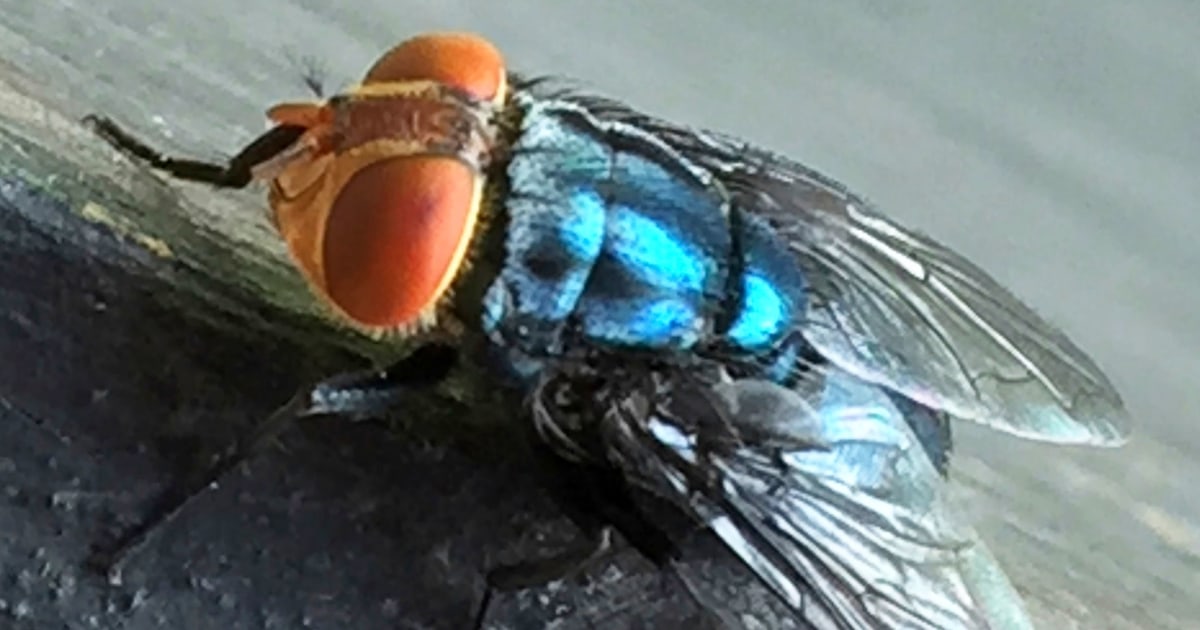
After an absence of more than 60 years, the New World screwworm, a highly destructive flesh-eating parasite, has been detected in livestock in Texas. This unexpected resurgence poses a severe threat to the United States cattle industry. The outbreak occurs at a critical juncture, as global beef prices are already historically high, and any disruption in one of the world's largest producing nations will undoubtedly send ripples across international markets.
The screwworm is the larval stage of a parasitic fly that uniquely feeds on the living tissue of warm-blooded animals. Adult flies lay their eggs in open wounds, from minor scratches to navels of newborn calves. Once hatched, the larvae burrow deep into the flesh, causing severe damage, secondary infections, and often death if left untreated. Historically, this pest caused immense economic damage to agriculture in the Americas before a massive, decades-long eradication program using sterile insect technique pushed it back.
For European farmers and agribusinesses, this development is a stark reminder of the fragility of livestock supply chains. While the pest is currently localized in North America, the US is a dominant force in global meat production. Significant herd losses, extensive quarantines, or restrictions on the movement of cattle could further tighten global beef supplies. This scenario may inadvertently create export opportunities for European producers but will also contribute to volatility in feed and meat pricing.
The reappearance of an eradicated pest also underscores the critical importance of relentless veterinary surveillance and biosecurity. Environmental shifts, changes in vector habitats, and the sheer volume of global agricultural trade mean that biological threats are never permanently eliminated. European animal husbandry relies on strict health protocols, and incidents like this validate the necessary, though sometimes burdensome, regulations governing the import of live animals and genetic materials.
What this means for the market: Although the immediate biological threat is confined to the US, European livestock producers should anticipate potential shifts in global beef pricing and trade dynamics. Additionally, this event highlights the necessity of maintaining rigorous biosecurity protocols on the farm to protect herds from emerging or re-emerging parasitic threats.
— agronom.work editorial team