
Floating Solar Power: A Blueprint for European Aquaculture Efficiency
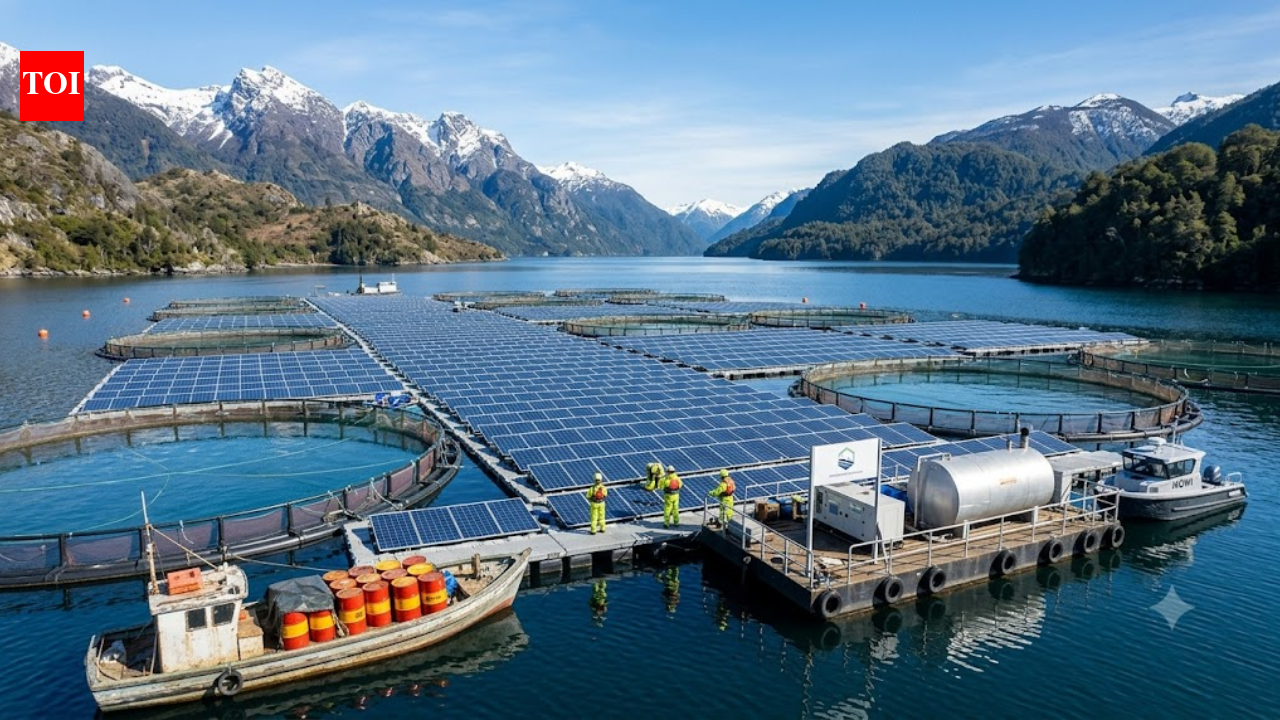
In a significant move for sustainable aquaculture, Mowi has successfully integrated floating solar technology at its salmon farming sites in Chile. The pilot project has exceeded performance expectations, with the solar array now providing 57% of the farm’s total energy requirements. This technological leap has resulted in the consumption of 36,750 fewer gallons of diesel annually, marking a major milestone in reducing the carbon footprint of intensive protein production.
For European producers, particularly in the North Sea and Atlantic salmon regions like Norway and Scotland, this development highlights the viability of decentralized power generation in remote, marine environments. Moving away from heavy reliance on diesel generators not only lowers greenhouse gas emissions but also shields operations from the volatile fluctuations in global fossil fuel prices, a critical factor in maintaining thin profit margins in the aquaculture sector.
While the Chilean project benefits from high levels of solar irradiance, the shift toward floating solar panels (FPV) is gaining traction globally as the hardware becomes more resistant to harsh, saline marine conditions. Beyond the immediate fuel savings, this approach allows farming operations to optimize operational expenses by integrating renewable energy directly into the feeding and water circulation systems that drive modern production cycles.
The integration of modular floating solar arrays also offers a potential regulatory advantage. As the European Green Deal continues to tighten environmental standards for agricultural and aquaculture businesses, adopting self-sustaining energy solutions may facilitate compliance with future ESG reporting and carbon tax obligations. It represents a shift from viewing energy as a simple supply-chain cost to viewing it as a managed asset within the farm's broader infrastructure.
Context for farmers: This shift toward on-site renewable energy demonstrates that even in demanding aquatic environments, self-sufficiency in power can drastically reduce operating expenditures and hedge against fuel price spikes. As technologies mature and become more resilient to maritime corrosion, producers should begin calculating the return on investment for similar energy-decarbonization strategies within their own facility expansion plans.
— agronom.work editorial team