
French Agrivoltaic Study Shows Solar Panels Protect Nectarine Orchards From Spring Frost
Spring frosts are one of the most unpredictable and devastating threats facing commercial fruit growers across Europe. A sudden temperature drop during the bloom period can wipe out an entire season's harvest in a single night, leaving orchards economically ruined despite months of meticulous pruning, fertilization, and pest management. Traditional methods of active frost protection, such as overhead sprinklers, wind machines, or orchard heaters, are often costly to run, energy-intensive, and increasingly constrained by water and environmental regulations.
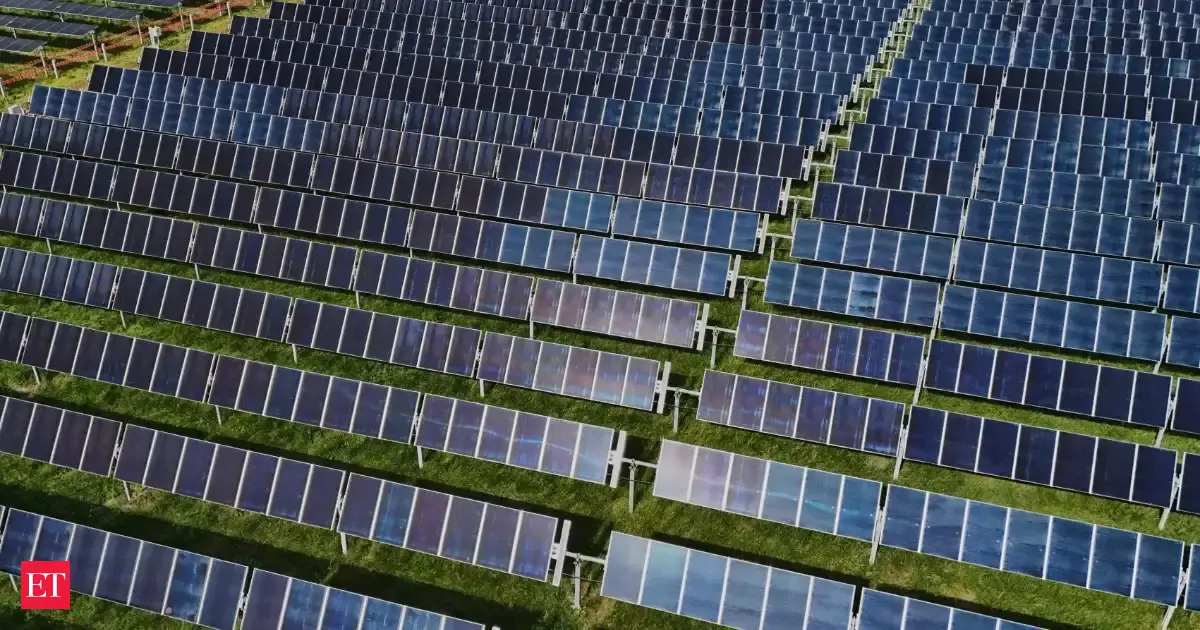
However, recent research conducted in France highlights an innovative dual-purpose approach that integrates renewable energy generation with frost mitigation. Scientists studying an agrivoltaic system installed over a commercial nectarine orchard found that dynamically positioning solar panels horizontally during cold spring nights acts as an effective thermal blanket. By trapping outgoing longwave radiation from the soil and trees, the overhead array successfully kept flower buds up to 1.9°C warmer compared to unprotected control blocks in the same orchard.
The practical implications for stone fruit production are substantial, particularly in regions vulnerable to erratic spring weather patterns driven by shifting climate conditions. In the French study, orchards equipped with these movable photovoltaic structures kept frost-induced bud damage below 10%, a threshold that preserves commercial viability and eliminates the need for drastic yield write-offs. For orchardists constantly battling the elements, agrivoltaics transitions from a purely green energy investment into a resilient, climate-smart agronomic tool that directly safeguards perennial crop yields.
Beyond frost protection, agrivoltaic systems offer long-term operational advantages for specialty crop producers, including reduced irrigation water evaporation during scorching summer months and diversified farm income through electricity sales or self-consumption. Yet, implementing these systems requires significant upfront capital expenditure, careful structural engineering to allow machinery access, and agronomic management to prevent negative shading effects on fruit coloration and sugar accumulation during ripening.
As European agricultural policies increasingly encourage dual-land-use models and sustainable climate adaptation technologies, trials like this provide valuable data for commercial fruit growers considering investments in agrivoltaics. While the initial setup costs remain a hurdle, the combined benefits of frost insurance, summer microclimate moderation, and renewable energy production make movable solar panel arrays an increasingly attractive option for modern, high-value horticulture.
What this means for the market: As climate volatility increases the frequency of devastating spring frosts across European fruit-growing regions, movable agrivoltaic systems represent a promising dual-purpose investment that can secure yields while generating supplementary farm revenue. Growers looking at long-term orchard modernization should evaluate how modern photovoltaic structures can double as climate shields against extreme weather.
— agronom.work editorial team