
From Coal to Crop: Lessons from India's Fertilizer Feedstock Shift
Fertilizer security relies heavily on the availability and cost of primary feedstocks used to manufacture essential crop nutrients. For major agricultural nations, securing a stable supply of inputs like urea and nitrogen-based fertilizers is vital to maintaining predictable crop yields and food security. When global feedstock markets face volatility, domestic production capacity becomes a critical buffer for the farming sector.
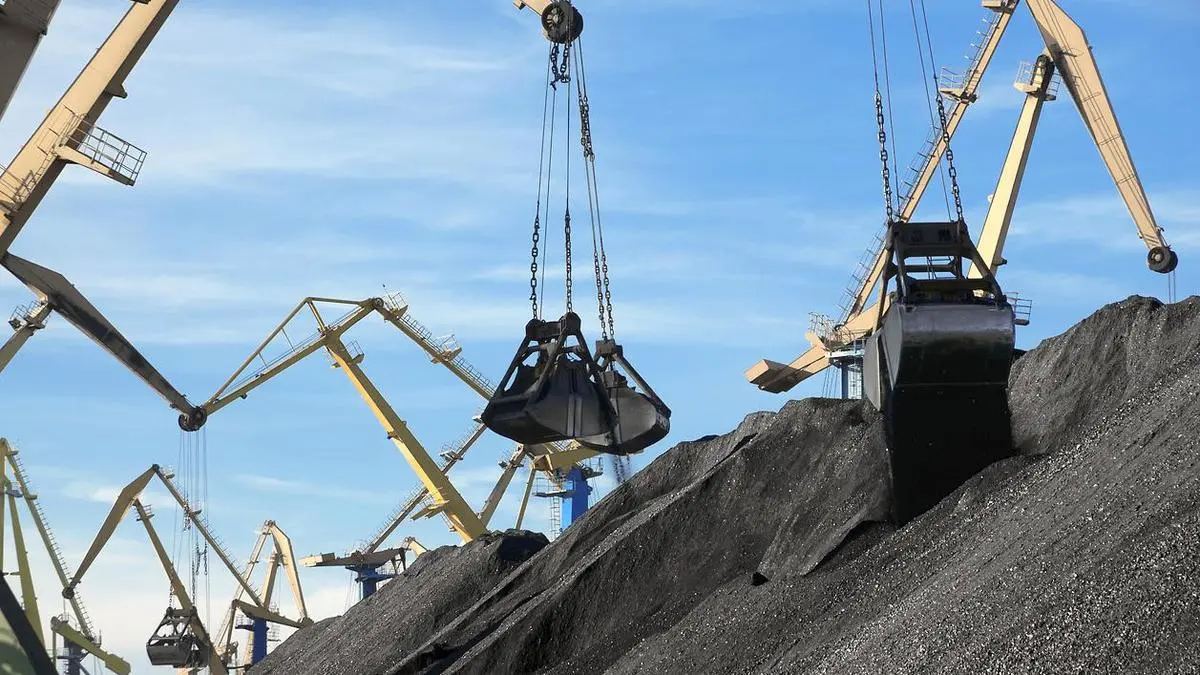
A notable approach being pursued in parts of Asia involves coal gasification to produce synthesis gas, which then serves as a domestic base for nitrogenous fertilizer manufacturing. By tapping into abundant local mineral resources rather than relying entirely on imported natural gas, industrial planners aim to insulate domestic crop production from international supply chain shocks and extreme price spikes.
For European and global agronomists, this industrial strategy highlights the delicate balance between energy policy, chemical manufacturing, and farm input costs. When fertilizer plants face high energy and feedstock expenses, those costs are inevitably passed down to crop producers, squeezing farm margins across grain, oilseed, and specialty sectors. Diversifying the raw material base for industrial chemistry is one way governments attempt to stabilize these downstream pressures.
However, transitioning heavy industrial processes toward alternative feedstocks presents substantial economic and environmental hurdles. High capital expenditure, complex technology deployment, and carbon management requirements mean that such shifts take decades to materialize. Farm managers and agricultural economists closely monitor these structural changes, as any major overhaul in national fertilizer manufacturing directly dictates future input affordability.
Ultimately, the resilience of modern agriculture remains deeply tied to the industrial systems that supply it. Whether through natural gas, green ammonia, or alternative synthesis routes, ensuring predictable access to primary nutrients prevents widespread supply disruptions and protects farm-gate profitability across diverse agricultural regions.