
G7 Emergency Fuel Release: What Diesel Shortages Mean for European Farms
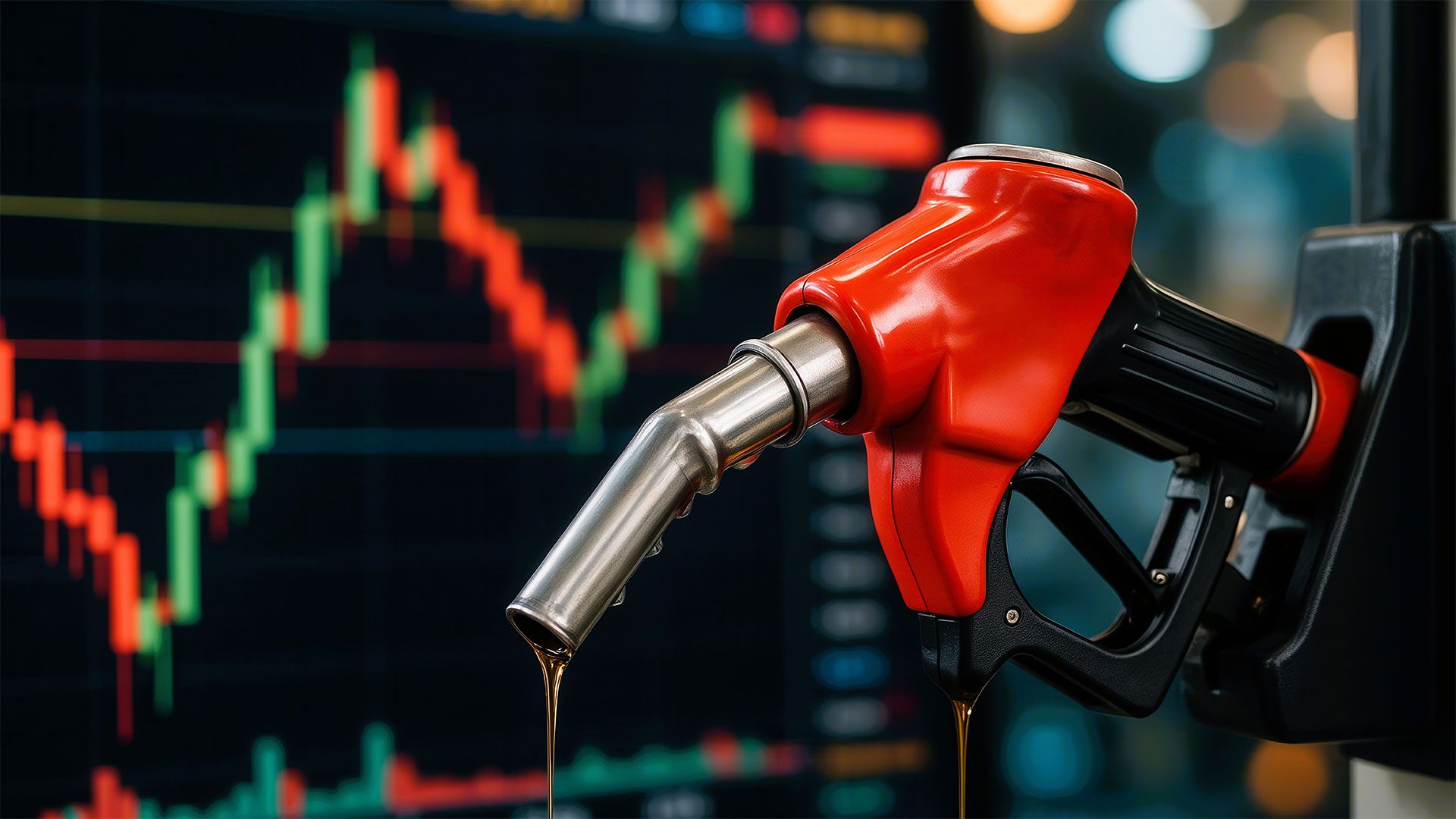
The G7's planned release of emergency fuel reserves comes at a critical juncture for the agricultural sector across Europe. With diesel serving as the lifeblood of modern farming operations, persistent shortages and high fuel costs have severely strained profit margins. From heavy tillage and sowing to running irrigation systems and powering grain dryers, reliable and affordable diesel is non-negotiable for maintaining farm productivity.
For grain producers in major agricultural hubs like Poland, Germany, and Romania, escalating fuel prices translate directly into higher operational overheads per hectare. Field machinery—ranging from high-horsepower tractors to combine harvesters—consumes massive volumes of diesel. When supply tightening pushes pump prices up, the financial burden cascades through every stage of crop production, ultimately threatening farmgate profitability before harvest even begins.
Beyond on-farm field work, the diesel squeeze hits agricultural supply chains and logistics hard. Moving fertilizers, seeds, and chemicals to the farm, as well as transporting harvested grain and perishable produce to ports and processing plants, relies overwhelmingly on diesel-powered freight transport. Higher transport costs reduce the net returns for farmers, while also inflating food prices for consumers across the European Union.
While tapping emergency fuel reserves is intended to stabilize broader energy markets and curb inflation, its actual impact on agricultural supply chains will depend on how quickly and effectively stocks reach regional distribution networks. Farming cooperatives and independent operators alike will be monitoring wholesale fuel pricing closely over the coming weeks to adjust their working capital and input purchasing strategies.
What this means for the market: The planned release of G7 emergency fuel reserves could provide a temporary ceiling on skyrocketing diesel prices, offering welcome relief for European farmers entering intensive seasonal field work. However, producers should maintain disciplined fuel-management practices and factor energy volatility into their short-term operational budgeting.
— agronom.work editorial team