
Queensland Gas Mining Policy Shift: Lessons for European Land Access
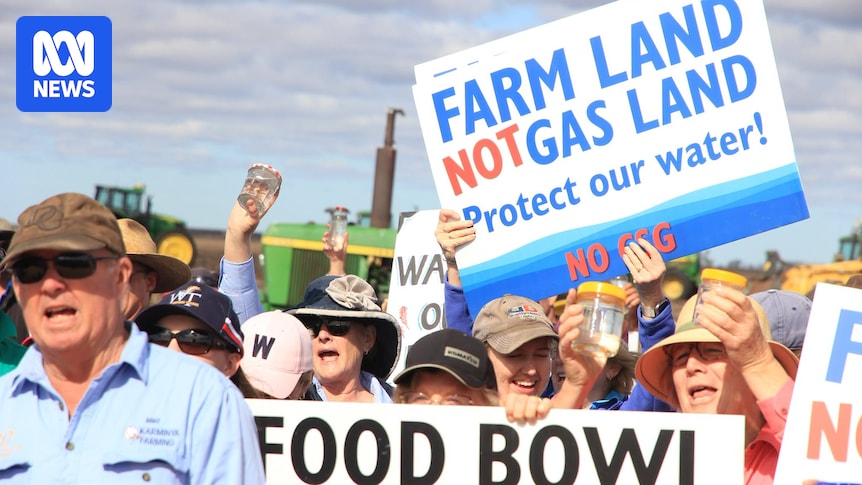
Farmers in Queensland have secured a partial victory following a government policy reversal regarding gas mining approvals above critical groundwater aquifers. The dispute centered on legislative changes that would have streamlined mining access, potentially threatening the water quality and security essential for long-term agricultural production.
For European farmers, this situation echoes ongoing debates regarding land use, especially as the push for energy independence often leads to increased industrial encroachment on rural territories. Whether it is gas exploration, carbon capture projects, or large-scale renewable infrastructure, the challenge of protecting subterranean water resources remains a primary concern for landholders across Germany, Poland, and the Netherlands.
Water is the primary asset of any farming business, and the integrity of aquifers is non-negotiable. When policy changes occur, they often move quickly through legislative channels, leaving farmers little time to advocate for protections. Monitoring local mining and energy regulations is a task that must be prioritized by farm unions and cooperatives to prevent permanent damage to irrigation and livestock water supply.
In the EU context, the Water Framework Directive provides a layer of protection, but national policies regarding extractive industries continue to evolve. Farmers must remain vigilant about the potential for environmental degradation, which can lead to legal battles that drag on for years while the physical condition of the land deteriorates.
Context for farmers: Protecting groundwater is essential for maintaining land value and operational continuity. Always ensure your local land-use agreements include robust clauses regarding water testing, monitoring, and liability should mining or energy activity alter the chemical composition or accessibility of your water sources.
— agronom.work editorial team