
Generative AI in Agriculture to Surge by 27% Annually by 2030
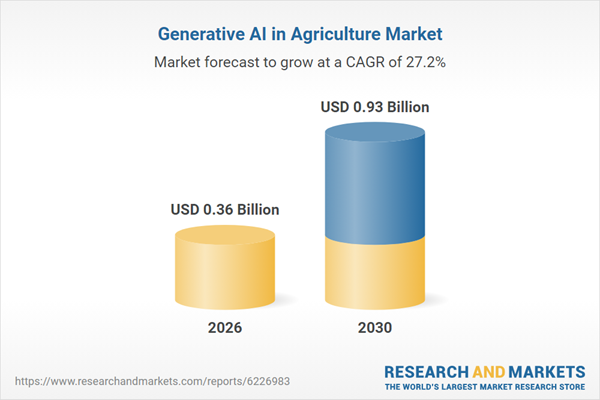
The digital transformation of agriculture is accelerating at an unprecedented pace. According to a recent market analysis forecasting trends up to 2030, the generative artificial intelligence (AI) sector within agriculture is expected to grow by an astonishing 27.2% annually. For European farmers, this is not just a distant technological shift, but a rapidly approaching reality that will reshape daily farm operations.
Historically, precision farming relied on static data and pre-programmed algorithms. Generative AI changes the equation by processing vast amounts of unstructured data—such as satellite imagery, localized weather models, and soil sensor readings—to generate dynamic, actionable advice. This means agronomic software will soon be able to converse with farm managers, offering complex yield predictions and immediate course corrections based on live field conditions.
One of the most promising applications for the European market, particularly given the strict pesticide reduction targets under the EU's Green Deal, is AI-driven pest and disease detection. By training generative models on millions of crop images, agronomic systems can identify early signs of blight, rust, or insect infestations before they spread. This allows for hyper-targeted spot-spraying, drastically cutting chemical costs and protecting soil health.
Furthermore, the persistent labor shortages plaguing the agricultural sector in countries like Poland, Germany, and the UK are driving investment in AI-powered robotics. Autonomous tractors and robotic harvesters equipped with generative AI do not just follow a GPS path; they learn from their environment. They can distinguish between a weed and a delicate cash crop in variable lighting, or adjust their grip based on the ripeness of a fruit.
Worth noting: To fully benefit from the upcoming wave of AI tools, farm managers must prioritize data collection today. Generative AI models are only as good as the data they are trained on, meaning farms with well-organized, digitized historical records of yields, soil tests, and inputs will be the first to unlock the profitability of these advanced systems.
— agronom.work editorial team