
Geomagnetic Superstorm: The Hidden Risk to Precision Agriculture
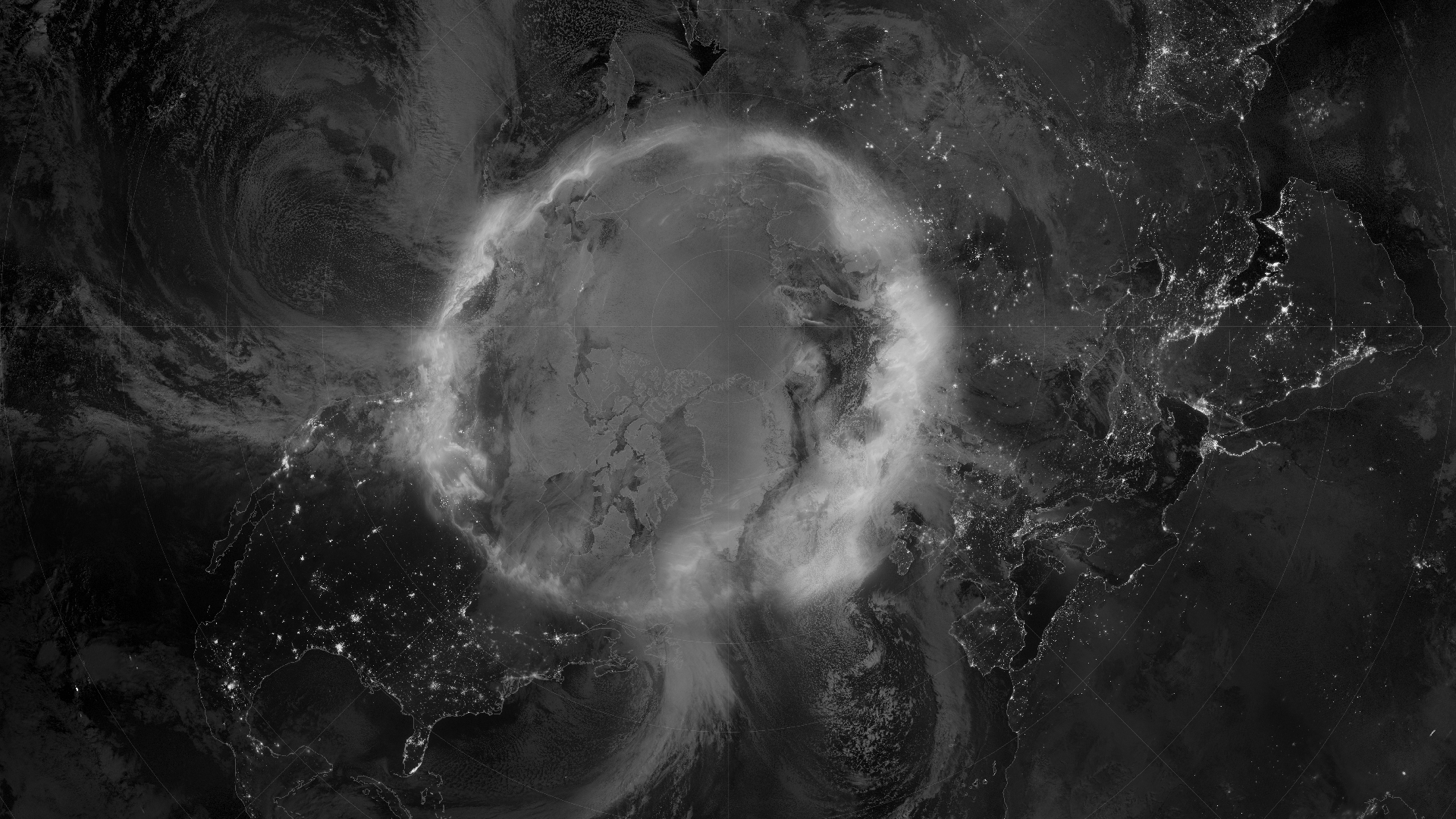
The geomagnetic superstorm that occurred in November 2025, while visually spectacular for the general public, presented a serious technical challenge for the agricultural sector. Recent data reconstruction reveals that the G4-class storm caused satellite-positioning errors exceeding 10 meters across wide swaths of North America. This level of signal degradation renders standard precision farming equipment, which relies on Real-Time Kinematic (RTK) corrections, effectively useless.
For European farmers who have invested heavily in autonomous tractors, auto-steer systems, and variable rate technology, these findings serve as a stark warning. Modern machinery depends on constant, high-precision satellite connectivity to maintain sub-centimeter accuracy during planting, spraying, and harvesting. When the ionosphere is disrupted by such storms, these systems can experience sudden drift, potentially leading to damaged crops, skipped rows, or overlaps.
Agricultural experts note that had this event occurred during the spring sowing window, the financial fallout for farmers would have been catastrophic. Large-scale autonomous planting fleets require reliable GNSS (Global Navigation Satellite System) signals to ensure optimal seed spacing and depth. A 10-meter deviation would essentially paralyze these operations, forcing operators to switch to manual control or halt work entirely until the signal stabilized.
The susceptibility of precision farming to space weather is tied to the way RTK stations communicate with machinery. During severe solar events, the atmospheric conditions degrade the signal quality, leading to 'positional jumpiness.' While most modern software attempts to mitigate this, extreme superstorms can overwhelm existing correction algorithms, leaving the farmer blind at a critical moment of the production cycle.
Context for farmers: While you cannot control space weather, it is worth establishing a protocol for high-solar-activity days. If space weather forecasts indicate a high likelihood of G4 or G5 storms during critical operations like planting or autonomous spraying, keep local manual controls ready and consider having an agronomist on standby to monitor system drift closely.
— agronom.work editorial team