
Middle East Tensions: The Hidden Threat to Europe’s Fertilizer Supply Chains
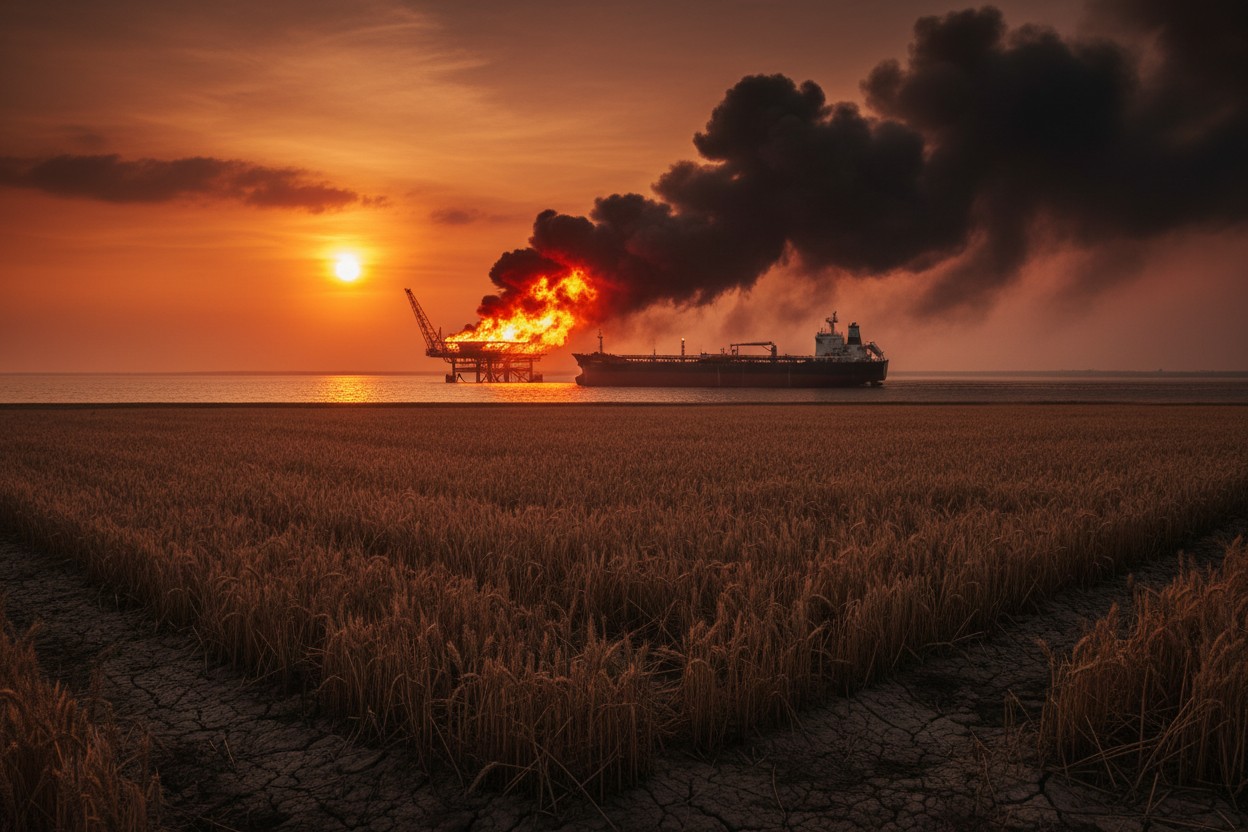
Recent geopolitical tensions in the Middle East have once again spotlighted the fragile nature of global agricultural inputs. While much of the focus is on energy prices, for the European agricultural sector, the true risk lies in the disruption of fertilizer supply chains, specifically nitrogen-based products that rely on natural gas and ammonia imports.
At the heart of this vulnerability is the Strait of Hormuz, a critical chokepoint for global shipping. Much of the world's ammonia and feedstock for the Haber-Bosch process—essential for nitrogen fertilizer production—moves through these waters. Any sustained conflict here would not only drive up transport costs but could potentially sever supply lines entirely.
For European farmers, the memory of the 2022 energy crisis is still fresh. During that period, natural gas price spikes forced many domestic European fertilizer plants to reduce production or shut down operations. A new conflict-driven supply crunch would likely replicate these conditions, leading to scarcity and a sharp increase in the price of NPK fertilizers ahead of the planting season.
Agronomists are particularly concerned about the reliance on imported components for specialty fertilizers. Even with domestic production capacities, the global chemical market is interconnected; a blockage in the Middle East would force producers to compete for limited feedstock, prioritizing high-bidder markets over local availability.
Context for farmers: Monitor your local input supply availability and consider securing fertilizer contracts early for the upcoming seasons to mitigate potential price volatility. If the geopolitical situation continues to deteriorate, prioritize soil testing to optimize nutrient application efficiency and reduce dependence on imported synthetic inputs.
— agronom.work editorial team