
Germany's Earliest Grape Harvest Signals Long-Term Climate Shift for Viticulture
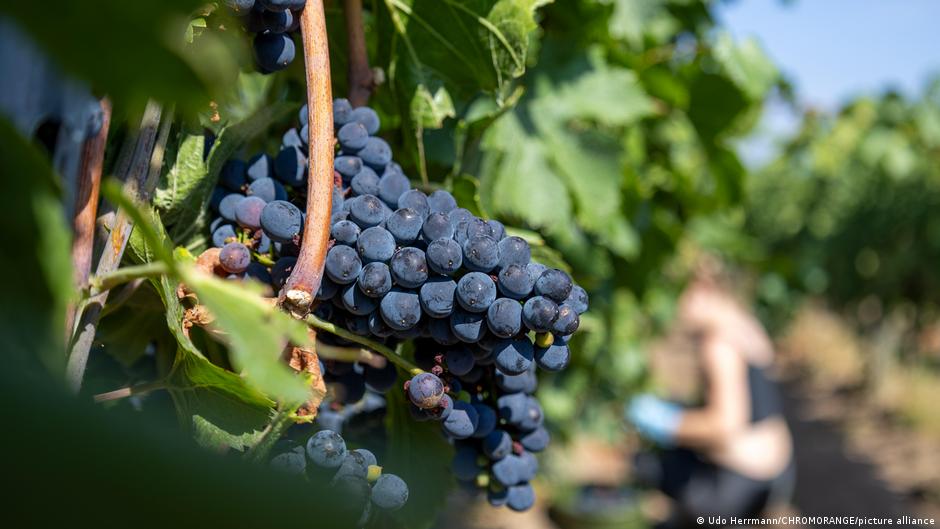
Germany has officially commenced its main grape harvest at the earliest date ever recorded. This shift, reported by the German Wine Institute, follows an exceptionally hot and dry summer that accelerated the physiological ripening of vines across major wine-growing regions like the Mosel, Rheingau, and Pfalz. While the quality of the fruit remains promising, yields are expected to be below the multi-year average.
For viticulturists, this trend is no longer an anomaly but a persistent climate-driven reality. Over the past several decades, the harvest window has consistently crept earlier into late summer. This forces vineyard managers to overhaul their traditional calendar, shifting maintenance tasks, canopy management, and harvest logistics into a much tighter timeframe, often colliding with the final stages of late-summer soil work.
The shift also poses significant challenges for the agricultural labor market. Traditionally, migrant labor pools were structured around a specific, predictable autumn harvest window. Now, with picking starting in late August or early September, farmers are facing increased competition for seasonal workers who may still be engaged in other harvesting activities or who have not yet arrived for the typical autumn cycle.
Beyond logistics, the heat and drought stress on the vines change the chemical profile of the grapes, specifically impacting sugar content and acidity levels. Agronomists note that while heat can increase sugar levels, the lack of water can stunt berry size and phenolic development, requiring precise monitoring and early intervention to manage irrigation where permitted or adjust canopy shading to protect fruit clusters.
Context for farmers: Farmers must anticipate that climate-driven harvest acceleration is now the new standard, requiring more flexible, technology-integrated planning for seasonal labor and resource allocation. Investing in weather-resilient cultivars and advanced moisture-monitoring agritech will be crucial to maintaining consistent yields in future warming cycles.
— agronom.work editorial team