
Giant Beetle Larvae Threaten Blueberry Roots in Major Growing Region
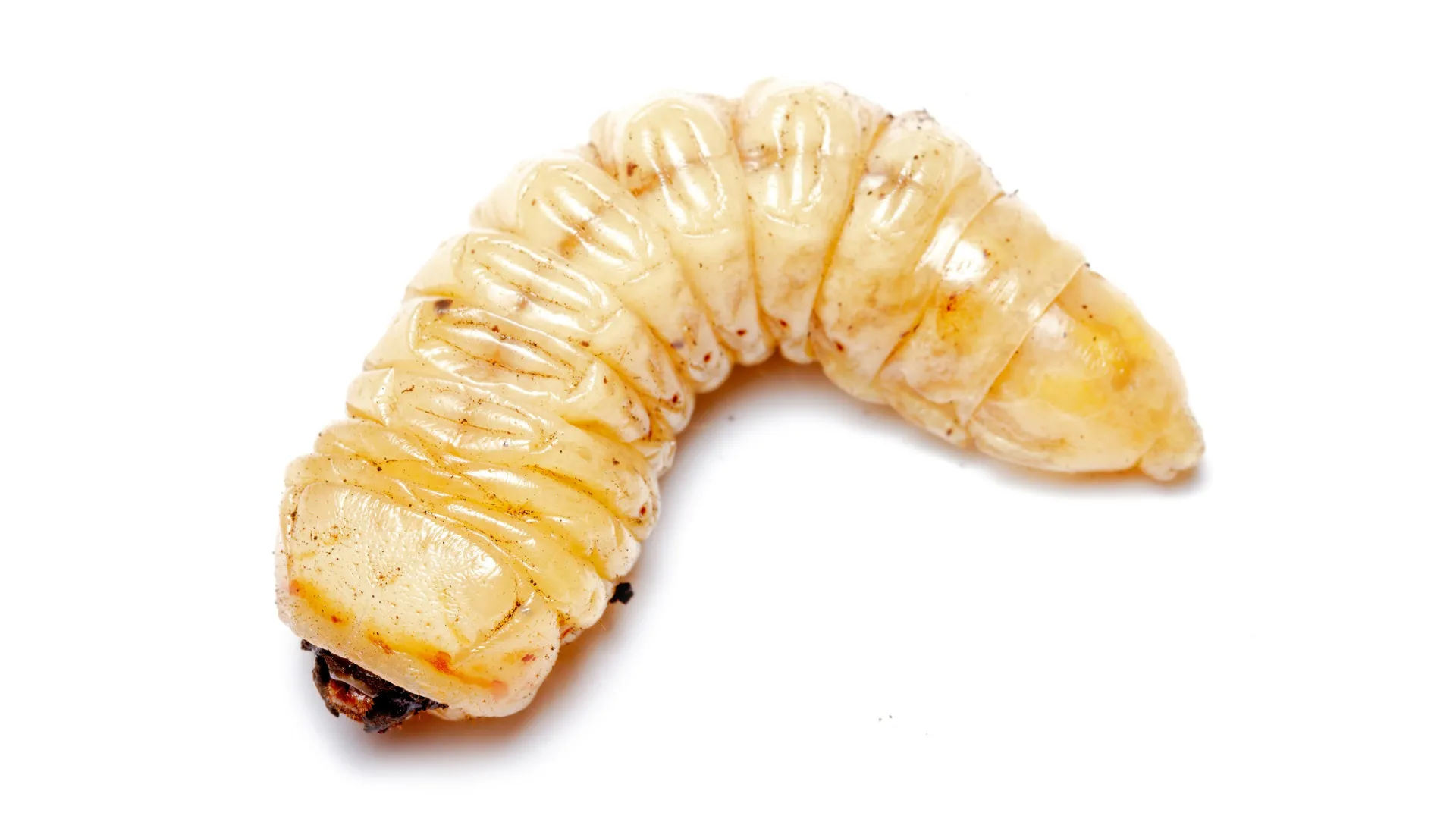
Blueberry producers in North Carolina are grappling with a severe subterranean threat as researchers finally identify the culprit behind mysterious crop declines. For years, growers have noticed established bushes suddenly withering and dying without an obvious above-ground cause. Entomologists have now traced the damage to a massive beetle species whose larvae can reach up to five inches in length.
These oversized grubs operate entirely underground, chewing through critical root structures and severely compromising the plant's ability to take up water and essential nutrients. Because the damage is hidden beneath the soil line, farmers often notice the infestation only after the bush has suffered irreversible decline or total mortality. Traditional scouting methods used for foliage pests are completely ineffective against these root-feeding organisms.
For commercial berry operations, losing established bushes represents a significant financial setback, given the years required for a new planting to reach peak commercial productivity. Blueberry root systems are relatively shallow and sensitive compared to tree fruit orchards, making them exceptionally vulnerable to heavy larval feeding. Once a patch is heavily infested, replanting often requires expensive soil fumigation and long fallow periods to break the pest cycle.
While this specific outbreak is currently centered in North Carolina, the discovery serves as a stark reminder for berry growers across Europe and neighboring regions about the hidden risks of soil-borne pests. As climate patterns shift and soil microbiomes evolve, regional crops frequently encounter unexpected insect pressures that bypass standard rotation and pest management protocols.
Agronomists stress the importance of post-harvest root inspections and targeted soil sampling in perennial fruit systems. Early detection of underground pests remains the single most effective tool for preventing localized outbreaks from devastating entire commercial fields.