
New research shows glyphosate significantly hampers honeybee foraging
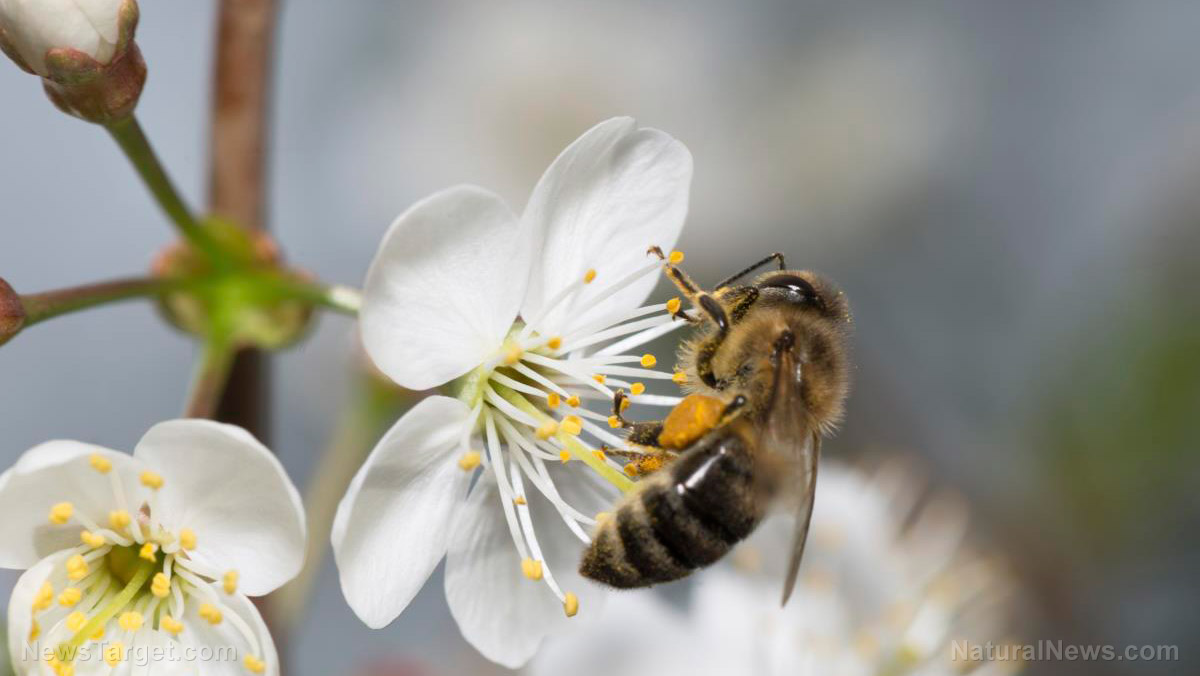
New scientific findings suggest that the widespread use of glyphosate may have a more direct impact on pollinator health than previously understood. Researchers have observed that exposure to the common herbicide disrupts brain chemistry in honeybees, specifically affecting areas responsible for learning and motivation. This neurological impairment leads to a measurable decrease in foraging activity.
The data reveals a 13.4% reduction in the foraging capacity of exposed bees. For commercial agriculture, this is not merely an environmental concern but an operational one. Honeybees are essential for the pollination of various high-value crops, including oilseed rape, sunflowers, and many fruit varieties common across European farmland.
When foraging efficiency drops, the ripple effect reaches the hive, potentially weakening entire colonies. A reduction in the collection of nectar and pollen directly correlates with the long-term sustainability of local apiaries, which are vital partners for farmers aiming to achieve optimal yields in insect-pollinated crops.
As European regulations regarding herbicide use continue to evolve, agronomists and farm managers must weigh the efficiency of weed control against the necessity of supporting pollinator populations. Protecting the bees is increasingly tied to the economic health of the farm, especially for growers of specialty crops that rely heavily on consistent pollination cycles.
Practical takeaway: Farmers should integrate pollinator-friendly practices, such as optimizing application times during low-foraging hours or establishing wildflower strips, to mitigate potential yield losses caused by impaired pollination services in their fields.
— agronom.work editorial team