
Global Beef Market Pressures Keep Prices High as US Herds Hit 75-Year Low
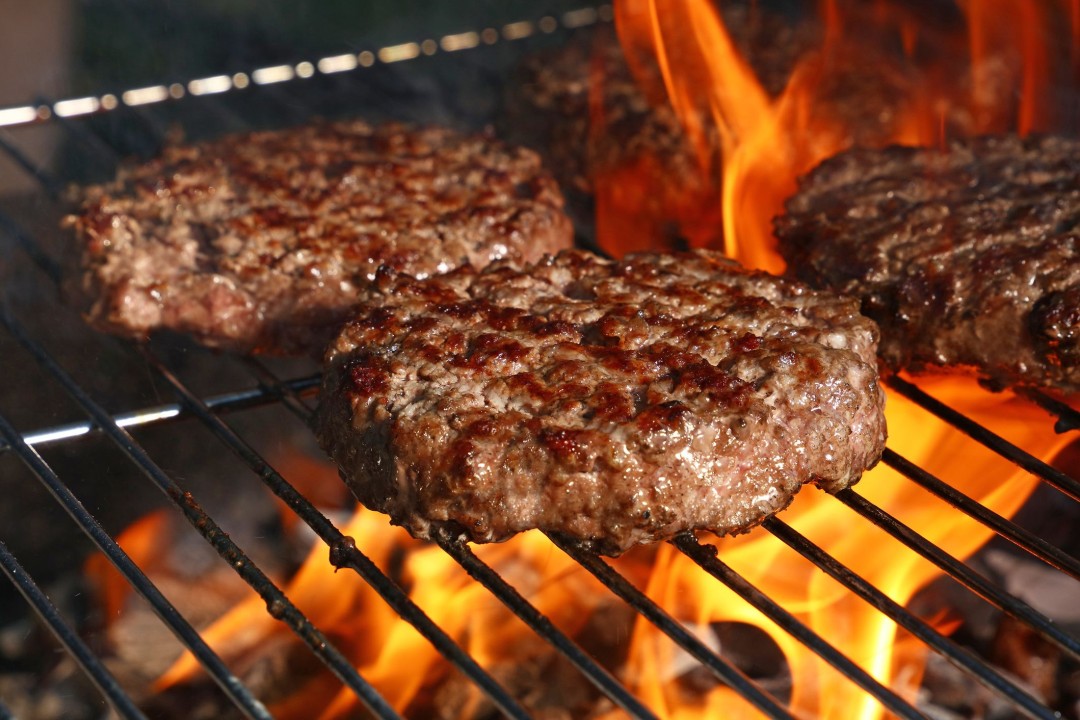
Farmers and livestock producers across Europe and North America are watching closely as structural shifts in the global cattle market keep beef prices at historic highs. Recent market analysis highlights that the US cattle inventory has shrunk to its smallest size in approximately 75 years. This drastic contraction is the accumulated result of severe multi-year droughts, soaring feed grain expenses, high fuel costs, and prolonged economic pressures that forced ranchers to liquidate breeding stock prematurely.
For beef producers and feedlot operators, these conditions reflect a delicate balancing act between high operational expenditures and constrained animal numbers. While high market prices at the farm gate might seem advantageous at first glance, the reality of depleted herd sizes means that many producers lack the inventory to capitalize fully on the market. Furthermore, replacement heifer retention remains low as farmers weigh the long-term capital investment of rebuilding herds against ongoing market volatility and climate unpredictability.
Feed costs remain a primary driver of production economics across major agricultural regions. Even as grain and soybean markets experience periodic fluctuations, structural expenses related to energy, veterinary supplies, and machinery upkeep continue to squeeze profit margins in animal husbandry. Ranchers are increasingly adopting precision livestock farming technologies, automated feeding systems, and advanced pasture management software to optimize feed conversion ratios and reduce labor overhead.
On the consumer end, elevated retail prices are altering meat purchasing habits, yet demand has proven remarkably resilient. This persistent demand supports steady farm-gate prices for finished cattle, creating a complex environment for processors and supply chain managers. European livestock sectors, dealing with their own set of stringent environmental regulations, animal welfare standards, and localized feed supply challenges, are experiencing parallel market dynamics where structural contraction prevents rapid supply recovery.
Looking ahead, rebuilding the national and global cattle inventory requires a multi-year biological timeline. Heifers retained today will not enter the processing chain or contribute significantly to expanded production for several years. Consequently, agricultural economists and livestock specialists advise farm managers to plan for sustained high input costs and tight cattle supplies well into the medium term, making risk management and feed efficiency paramount for farm profitability.
— agronom.work editorial team