
Global Cattle Herd Shrinks as Rising Input Costs and Droughts Threaten Beef Markets
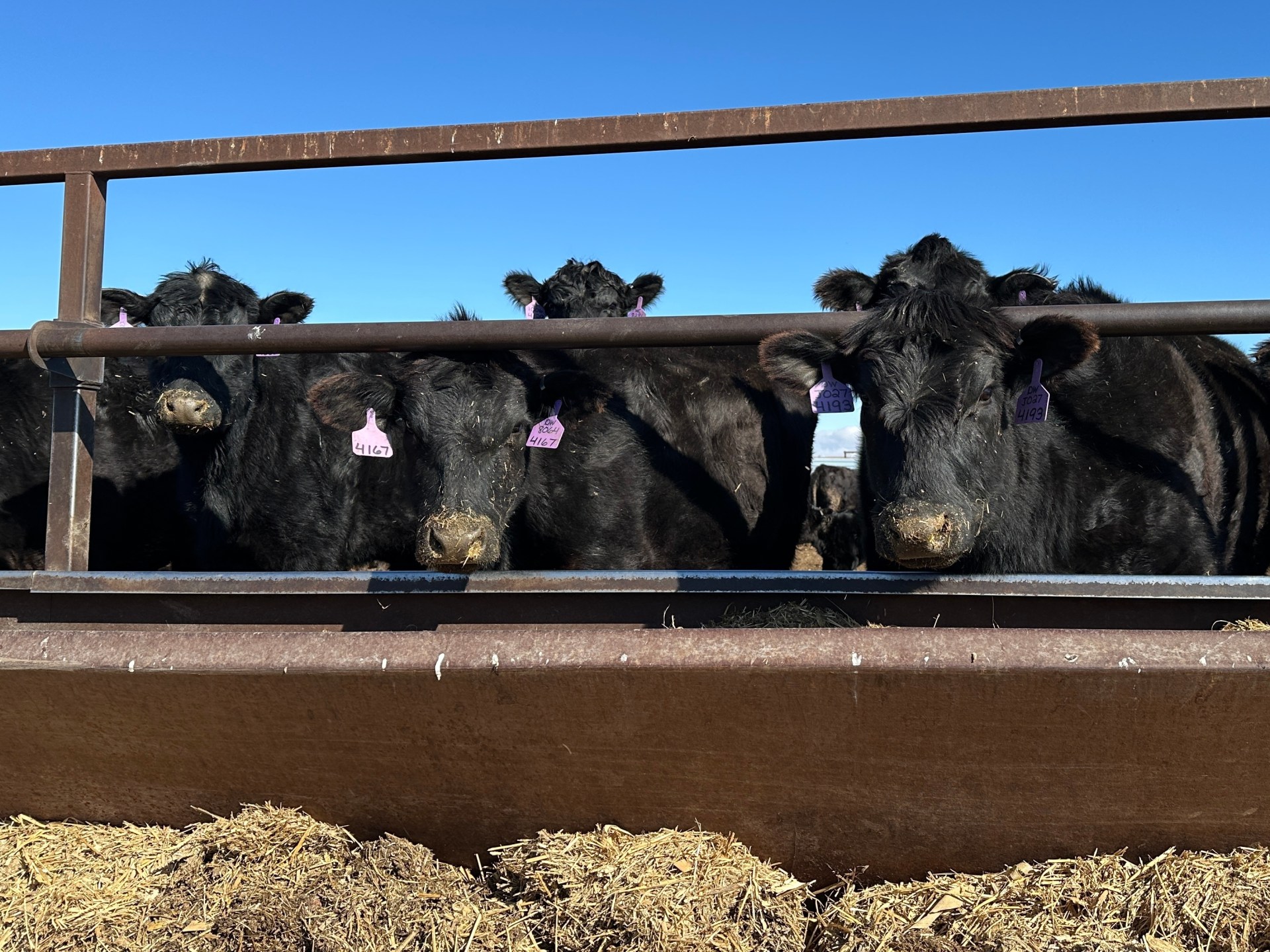
Livestock producers across key global agricultural regions are facing mounting pressure as cattle inventories shrink significantly. The world's top three beef-producing nations are simultaneously witnessing a downward trend in herd numbers. This convergence of supply contraction is driven by a combination of escalating operational expenditures, prolonged droughts across major grazing lands, and the inherent biological time constraints of cattle breeding.
For European livestock farmers and feedlot operators, these global trends carry direct implications for input costs and market dynamics. While Europe maintains strict sanitary and trade standards, global beef price fluctuations heavily influence feed grain demand, particularly for corn and soybean meal, as well as the broader livestock protein complex. When global supplies tighten, domestic export and import balances shift, affecting everything from local slaughterhouse gate prices to consumer demand substitution between beef, pork, and poultry.
A primary driver behind the current inventory reduction is the severe weather volatility experienced in key pastoral zones. Persistent droughts have systematically degraded pasture quality, forcing ranchers to either liquidate herds prematurely or incur massive expenses for supplemental feed and forage. Combined with soaring fertilizer prices, fuel costs, and veterinary expenses in recent seasons, the economic threshold for maintaining profitable cow-calf operations has reached a critical juncture.
Furthermore, the biological nature of beef production means herd rebuilding cannot happen overnight. Unlike poultry or even pork, cattle have a much longer gestation and maturation cycle. Once a herd is liquidated due to drought or high feed costs, it takes years to rebuild breeding stock. This structural lag suggests that tight supply conditions and elevated price baselines will likely persist across international markets, impacting processing margins along the entire supply chain.
As European agriculture navigates its own set of regulatory pressures, environmental compliance mandates, and feed market volatility, monitoring international livestock trends remains essential for farm business planning. Producers balancing forage management, herd health, and marketing windows must factor in how global protein deficits could alter regional feed grain consumption and pricing structures in the upcoming seasons.
Context for farmers: European livestock producers should closely monitor global beef and feed market trends, as international supply contractions directly impact domestic feed grain demand, protein substitution rates, and long-term margin planning.
— agronom.work editorial team