
Global El Nino Threat: What Record Warming Means for European and World Agriculture
A rapidly intensifying El Nino climate pattern is currently unfolding across the globe, with meteorological agencies warning it could develop into the strongest event recorded since the 1950s. Driven by unusually warm sea-surface temperatures in the central and eastern tropical Pacific, this recurring climatic phenomenon is notorious for upending normal weather systems worldwide. For farmers and agronomists, an El Nino of this magnitude signals a high-risk period characterized by severe droughts in some regions, excessive moisture in others, and highly erratic temperature fluctuations that directly threaten crop development.
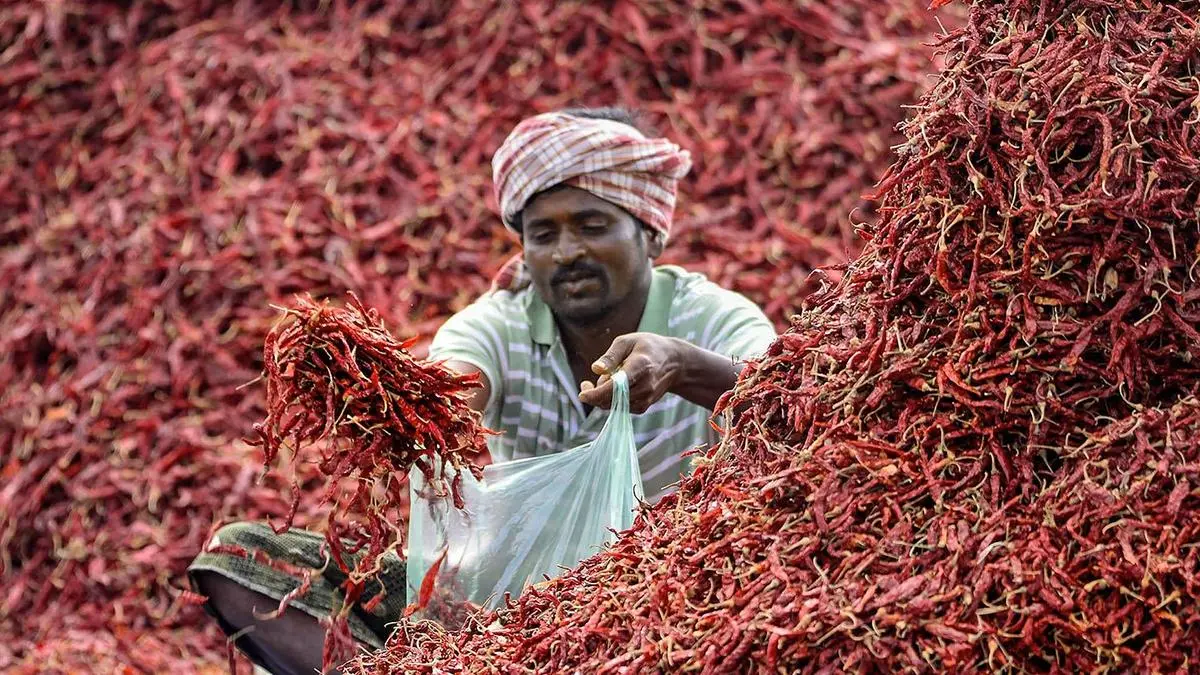
The agricultural impacts of this powerful weather phenomenon are already manifesting in key global production hubs. In regions heavily dependent on stable precipitation, the El Nino-induced dry spells and intense heatwaves have severely hit fruit and vegetable yields. For instance, recent market telemetry highlights how heat-stressed tomato crops have suffered massive yield drops, triggering a doubling of wholesale prices in a single month. Meanwhile, shifts in moisture availability are altering planting intentions across Asia, where producers of spices like red chillies are recalibrating acreage in response to changing weather forecasts, highlighting the tight margin between climatic shifts and market volatility.
For European farmers and grain traders, the reverberations of a severe El Nino extend far beyond regional tropical markets. While Europe possesses its own distinct temperate climate zones, global commodity prices for essential inputs, feed grains, and export-competing crops are deeply interconnected. Severe droughts in major southern hemisphere or Asian agricultural exporters often tighten global stockpiles, driving up international fertilizer, energy, and feed costs. European cereal producers and livestock farmers must monitor these global supply shocks, as they frequently translate into higher input costs and unpredictable export demand on the continent.
Furthermore, this climatic turbulence serves as a stark reminder of the growing volatility facing modern farm operations. As extreme weather events become more frequent, agronomists are placing increased emphasis on climate-resilient farming practices, advanced irrigation management, and drought-tolerant seed varieties. Farm managers across Poland, Germany, and neighboring countries are increasingly forced to factor long-range meteorological forecasts into their seasonal rotation and risk management strategies, moving away from traditional calendar-based agronomy toward dynamic, weather-adaptive crop protection and water conservation.
What this means for the market: European growers and supply chain operators should brace for heightened commodity price volatility and potential cost pressures on imported agricultural inputs as global weather anomalies disrupt major production zones. Proactive risk management and close monitoring of international harvest forecasts will be vital for managing farm gate margins through the coming seasons.
— agronom.work editorial team