
Global Fertilizer Prices Surge 50% Amid Middle East Conflict
The escalating geopolitical conflict in the Middle East, particularly involving Iran and the broader Gulf region, is sending severe shockwaves through global agricultural supply chains. According to the International Food Policy Research Institute, the Gulf region accounts for roughly 30% of all globally traded chemical fertilizers. The recent disruptions have already driven global fertilizer prices up by a staggering 50%, forcing farmers to quickly reassess their crop nutrition strategies.
For the European agricultural sector—spanning the vast arable lands of Ukraine and Poland to the high-yield farms of Germany and the Netherlands—this price spike represents a critical threat to profitability. Many European operations rely heavily on imported chemical inputs, and this sudden inflation puts immense pressure on farm budgets right at a time when commodity prices remain unpredictable.
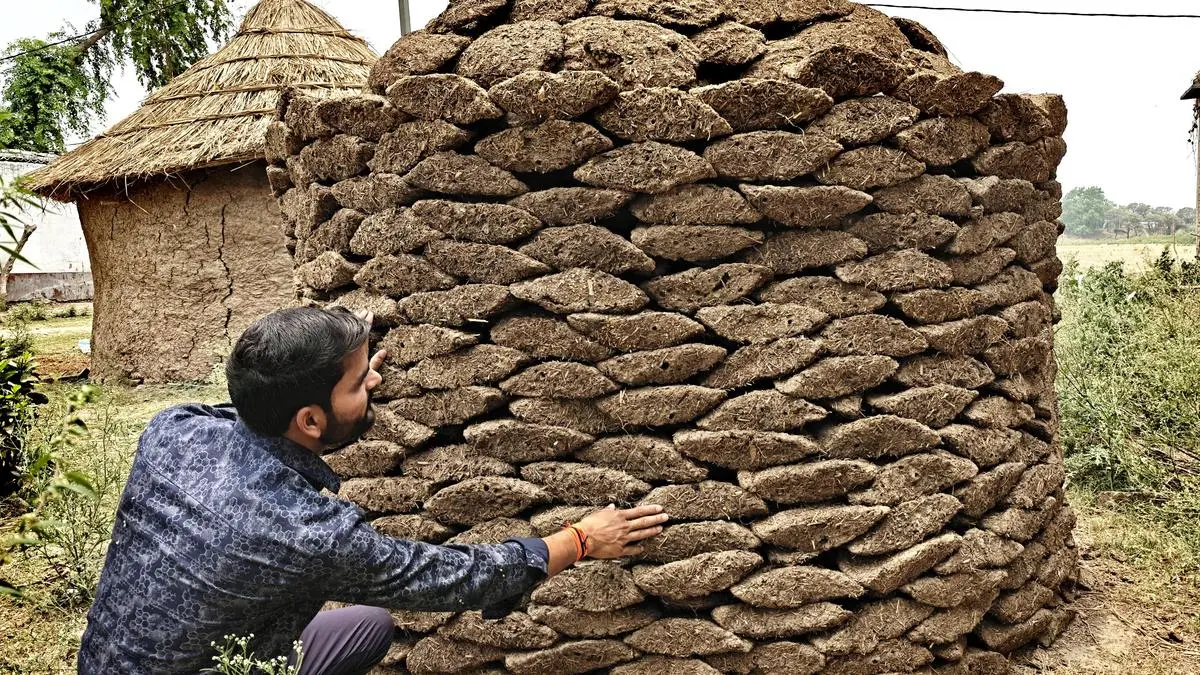
Faced with these skyrocketing costs, a pronounced shift is occurring at the ground level. Farmers worldwide, from smallholders in Senegal to large commercial estates in Europe, are increasingly seeking out organic alternatives. Animal manure, slurry, and locally produced compost are transforming from supplemental, eco-friendly options into primary, economically necessary substitutes for expensive synthetic nitrogen and phosphorus.
This forced transition is prompting agronomists to rethink traditional nutrient management. Relying on cow dung or compost requires more precise soil testing and careful calculation of nutrient release rates to maintain crop yields. Furthermore, the crisis is accelerating the adoption of precision agriculture tools, as variable rate application technology becomes essential to stretch every expensive granule of chemical fertilizer as far as possible.
Context for farmers: With global chemical fertilizer markets remaining highly volatile, prioritizing local organic nutrient sources and investing in precision soil-mapping technologies will be crucial to defending your margins this season.
— agronom.work editorial team